

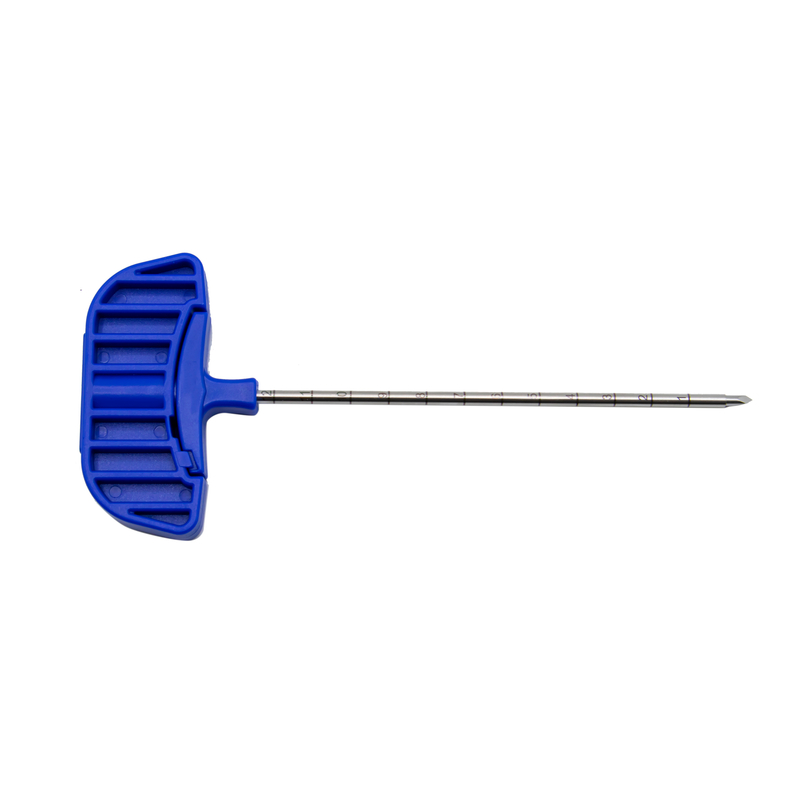
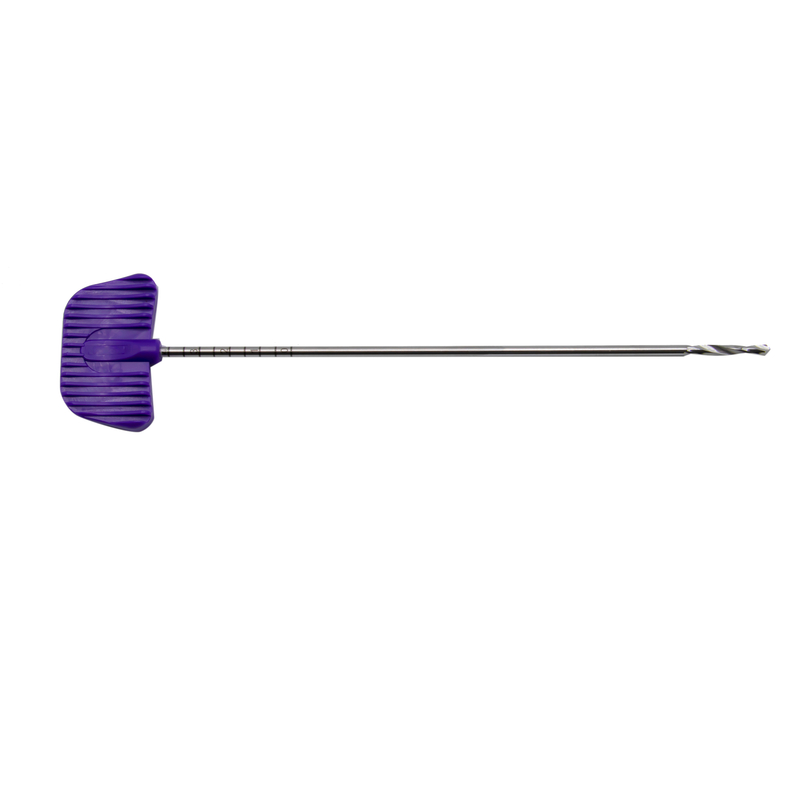
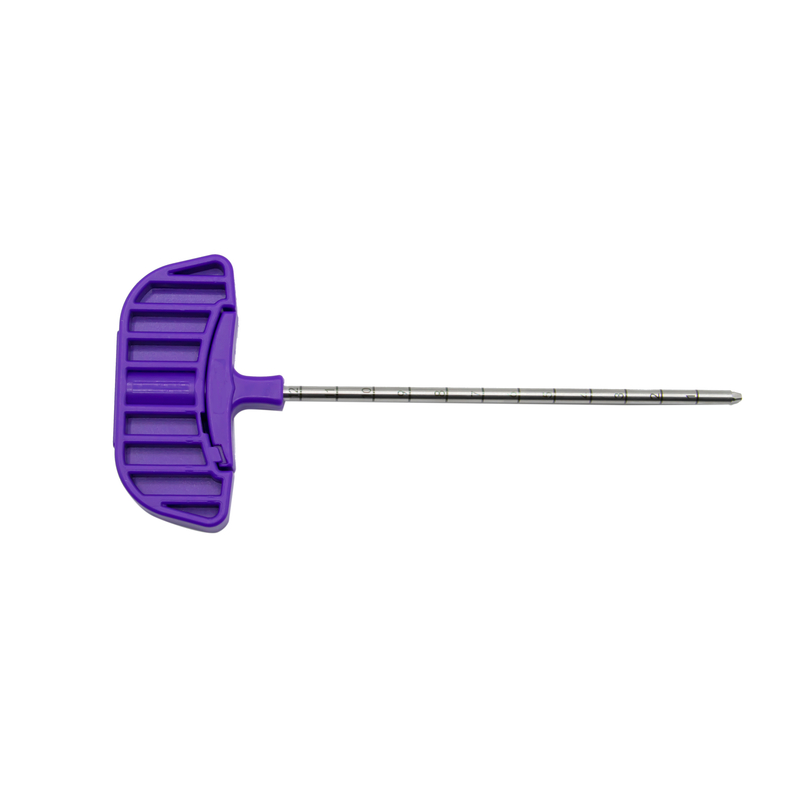
Vertebral Perforator(3 blades tip)
Vertebral Perforator(3 blades tip) — a kyphoplasty device from OrthoLimited, supplied to ISO 13485 standards for hospitals and distributors worldwide.
- Brand
- OrthoLimited
- Manufactured by
- OrthoLimited Inc.
- Warehouse
- EU
- Availability
- In stock
- ✓ CE marked
- ✓ ISO 13485
- ✓ Warranty included
- ✓ Worldwide shipping
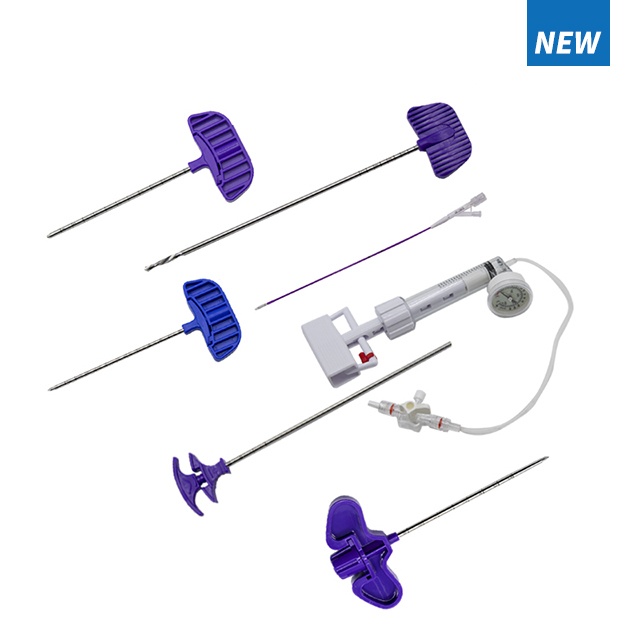
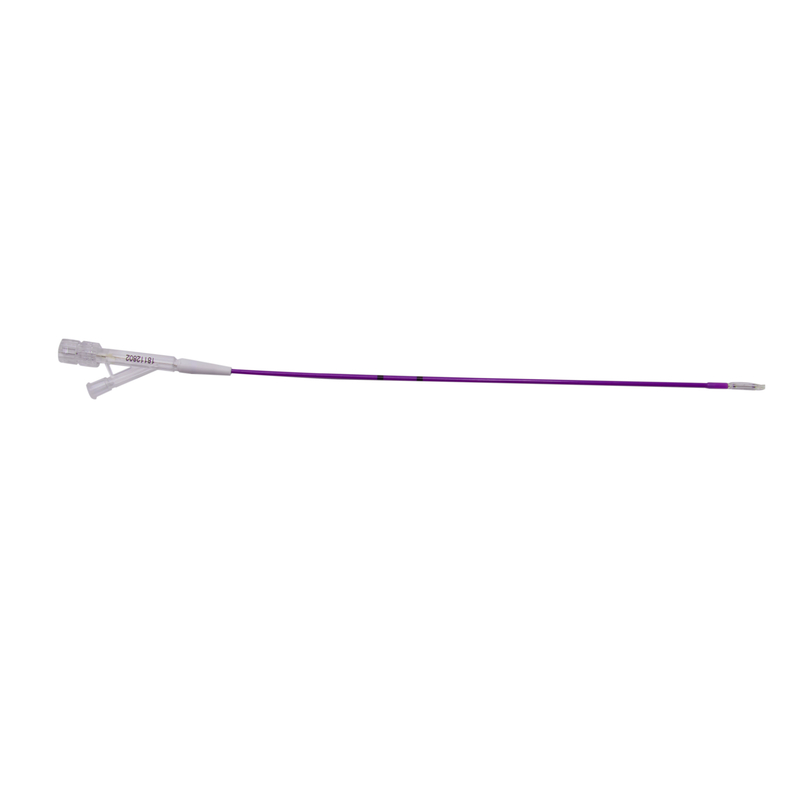
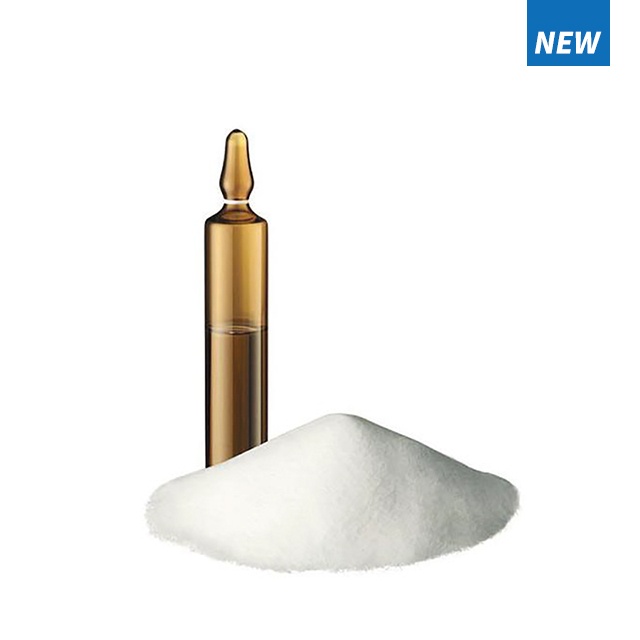
Clinical overview
Product overview
A variety of extra-arch puncture methods have been successfully used for percutaneous vertebroplasty (PVP) and percutaneous kyphoplasty (PKP).
Percutaneous vertebroplasty (PVP)
Percutaneous vertebroplasty (PVP) is a treatment for patients with one or more symptomatic vertebral fractures caused by bone tumors, osteoporosis or trauma. In PVP, a bone biopsy needle is inserted into the fractured vertebrae under local anesthesia in the patient; a bone cement made of polymethylmethacrylate (PMMA) is injected through the needle, followed by immediate relief of symptoms such as difficulty walking or low back pain . PVP, as a minimally invasive procedure, has a low complication rate It is also characterized by the fact that patients can go home after treatment without hospitalization and can treat elderly patients over 90 years of age with guaranteed outcomes.
Percutaneous kyphoplasty (PKP)
Percutaneous kyphoplasty (PKP) is currently an effective and widely used treatment for osteoporotic vertebral compression fractures (OVCF), which is usually performed under local anesthesia and is well tolerated by patients. Early studies have shown promising clinical outcomes in terms of immediate pain relief and improved function, especially in the elderly. However, there is still a very high number of patients who are not satisfied with the post-surgical results.
As for these patients, they complain of unsatisfactory or no change in their pain relief or even worse pain, which may indicate persistent compression or recurrent fractures in the treated vertebrae. Previous studies have shown that intravertebral vacuum clefting (IVC) in acute OVCF is not an uncommon phenomenon and is also considered an important risk factor for persistent back pain and severe vertebral collapse, which may be the main reason for unsatisfactory outcomes after PKP.
What is balloon kyphoplasty?
Balloon kyphoplasty is a minimally invasive procedure designed to repair vertebral compression fractures (VCF) by reducing and stabilizing fractures. It treats pathological vertebral fractures caused by osteoporosis, cancer or benign lesions.
How Balloon Osteoplasty Works
Creating a space for the balloon
The surgeon will make a pathway into the fractured vertebra using a hollow instrument. A small balloon is then guided through the instrument into the bone.
Inflating the balloon
Once in position, the balloon is slowly inflated to gently raise the collapsed bone into its normal position.
Removing the balloon
When the bone is in the correct position, the surgeon deflates and removes the balloon. This leaves behind a void—or cavity—within the vertebral body.
Filling the vertebral void
To prevent the bone from collapsing again, the void is filled with orthopaedic cement.
Forming the internal cast
Once set, the cement forms a cast inside the vertebral body that stabilizes the bone. To fully secure the bone, the procedure is sometimes performed on both sides of the vertebral body.
The primary benefits of balloon kyphoplasty include:
A shorter surgical time; the procedure usually takes about a half hour per spinal level.
The kyphoplasty procedure can often be performed with local anesthesia. However, some patients, depending on their general health and severity of the spinal fracture(s) may require general anesthesia.
Patients are able to walk and return to their normal activities soon after surgery.
Kyphoplasty may be performed in an ambulatory surgery center (ASC), hospital, or outpatient spine surgery center.
Most patients are discharged home the same day as their kyphoplasty procedure. An overnight hospital stay may be recommended for some patients depending on many factors, such as coexisting medical problems (eg, cardiovascular risks).
Length of Stay and Recovery
Your doctor will give you specific post-operative instructions, but generally, you will spend about an hour in the recovery room after the procedure. There, a nurse diligently monitors your vital signs, which includes back pain.
Most patients are discharged from the ASC or hospital within 24 hours of their balloon kyphoplasty procedure. At your surgical follow-up appointment, your doctor will assess your recovery progress to determine if you should limit certain activities (eg, lifting). Many patients report significant improvements in pain, mobility and the ability to perform daily tasks—so you may not need to make any adjustments to your physical activity level.
Available on request
Configuration, paperwork & clinical fit
The full spec + documentation pack for this device ships ahead of purchase on request. A sales engineer responds within one business day.
Configuration sheet
Specifications, accessories & clinical fit
Sizes and dimensions, material and finish, compatible instruments and screw references, what ships in the set, lead time and warranty — all in one specification sheet, sent within one business day.
Documents & downloads
Regulatory paperwork & manuals
This device's IFU, CE Declaration of Conformity, ISO 13485 certificate and (where applicable) FDA 510(k) clearance ship with the order. Reach out below for the pack ahead of purchase.
Get in touch
Need configuration help, certificates, or volume pricing?
Our clinical sales team will scope quantities, voltage, accessories and regulatory paperwork — usually within one business day.
Customer reviews
No reviews yet — be the first to share your experience.
Related products
See all →
Vertebral Perforator
Vertebral Perforator — a kyphoplasty device from OrthoLimited, supplied to ISO 13485 standards for hospitals and distributors worldwide.
Kyphoplasty Balloon
Kyphoplasty Balloon — a kyphoplasty device from OrthoLimited, supplied to ISO 13485 standards for hospitals and distributors worldwide.
Joint Bone Cement
Joint Bone Cement — a kyphoplasty device from OrthoLimited, supplied to ISO 13485 standards for hospitals and distributors worldwide.
Hand Dril
Hand Dril — a kyphoplasty device from OrthoLimited, supplied to ISO 13485 standards for hospitals and distributors worldwide.
Guide Needle
Guide Needle — a kyphoplasty device from OrthoLimited, supplied to ISO 13485 standards for hospitals and distributors worldwide.
Disposable Pulse Lavage
Disposable Pulse Lavage — a kyphoplasty device from OrthoLimited, supplied to ISO 13485 standards for hospitals and distributors worldwide.
Dilated Casing
Dilated Casing — a kyphoplasty device from OrthoLimited, supplied to ISO 13485 standards for hospitals and distributors worldwide.