

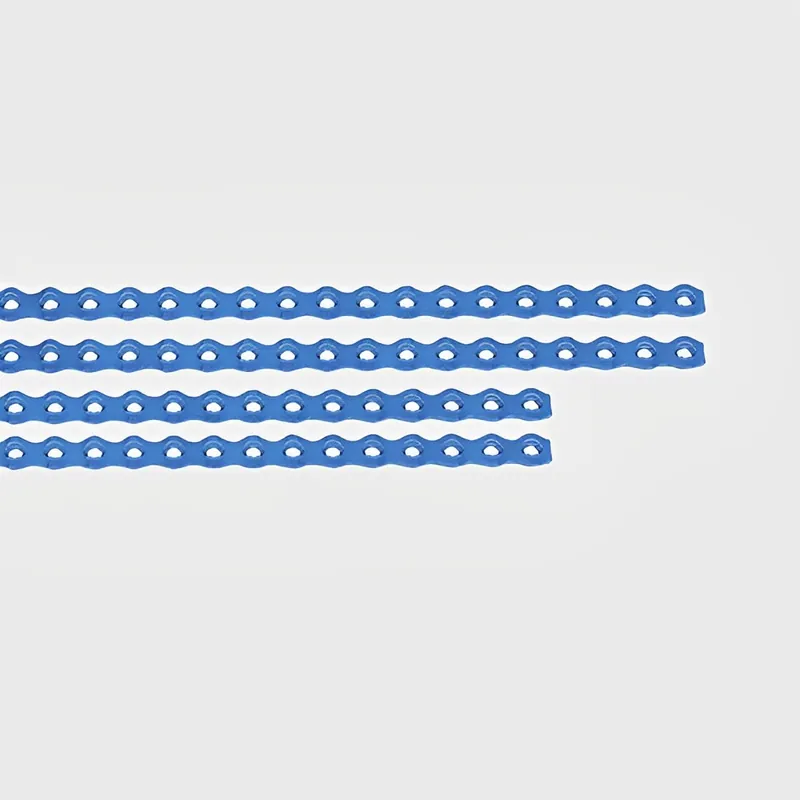
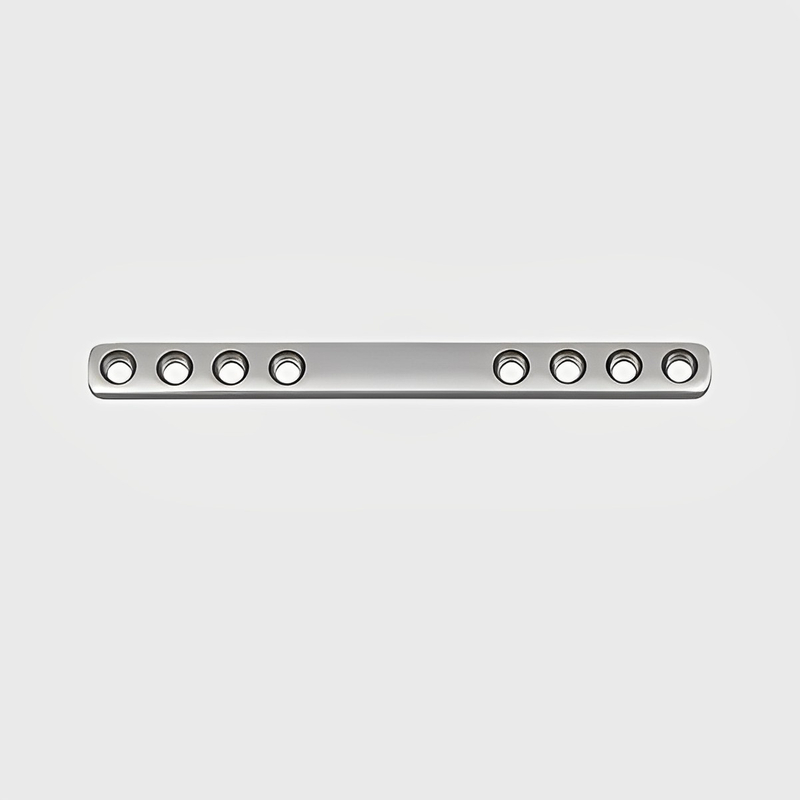
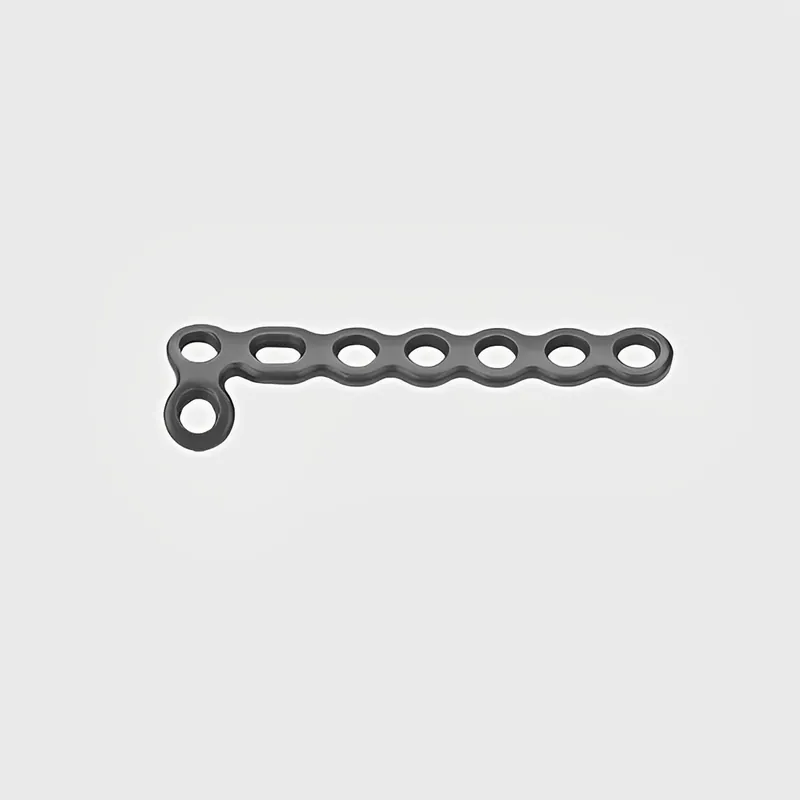
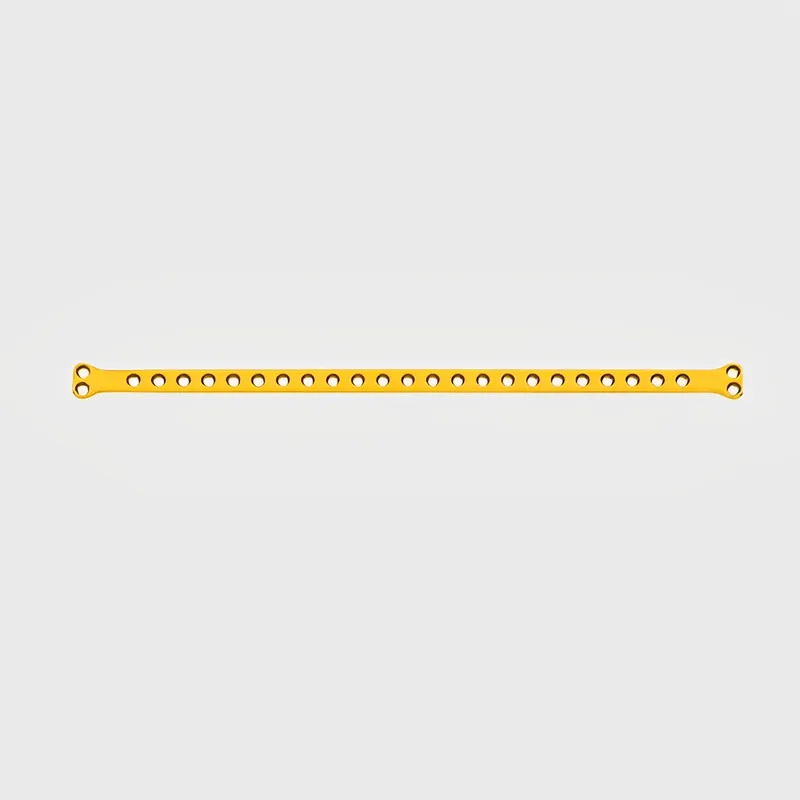
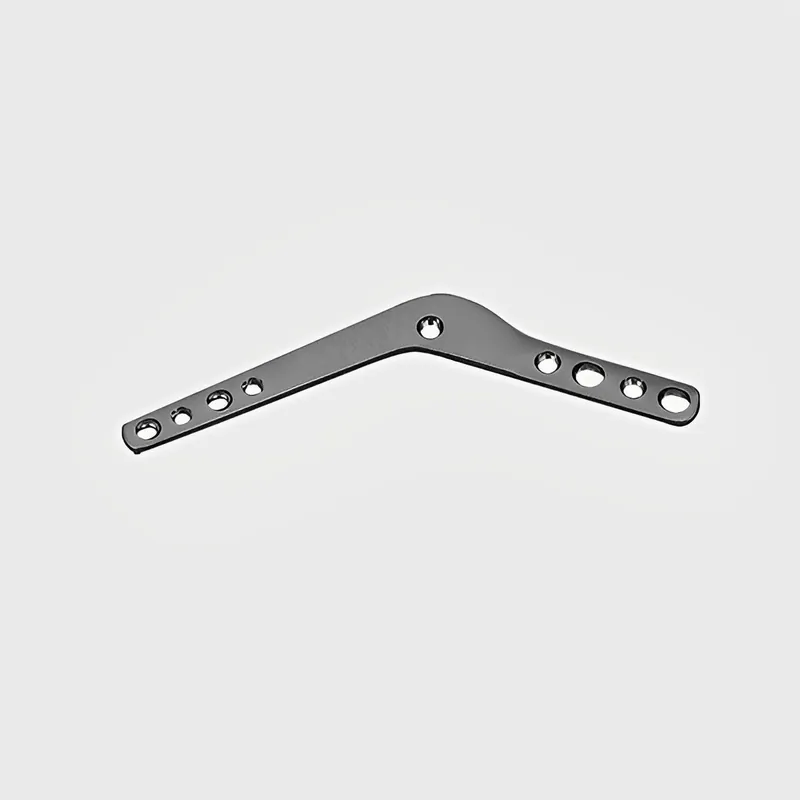
Reconstruction Locking Plate
Reconstruction Locking Plate — a orthopedic fixation plate from OrthoLimited, supplied to ISO 13485 standards for hospitals and distributors worldwide.
- SKU
- AA001
- MPN
- AA001
- Brand
- OrthoLimited
- Manufactured by
- OrthoLimited Inc.
- Warehouse
- EU
- Availability
- In stock
- ✓ CE marked
- ✓ ISO 13485
- ✓ Warranty included
- ✓ Worldwide shipping
Clinical overview
Product overview
Pet Reconstruction Locking Plate: A Comprehensive Guide for Veterinarians
As a veterinarian, you understand the importance of providing the best possible care to your patients. In many cases, this means using specialized tools and equipment to ensure optimal outcomes. One such tool that has become increasingly popular in recent years is the pet reconstruction locking plate. In this article, we will explore the benefits, applications, and techniques of using the pet reconstruction locking plate in veterinary medicine.
Introduction
The pet reconstruction locking plate is a versatile tool that can be used to address a wide range of fractures and other orthopedic conditions in pets. This locking plate is designed to provide superior stability and support to fractures, allowing for faster and more complete healing. It is a highly effective tool that has revolutionized the way veterinarians approach orthopedic surgery.
What is a Pet Reconstruction Locking Plate?
A pet reconstruction locking plate is a specialized orthopedic tool that is used to stabilize fractures in pets. Unlike traditional plates, which rely on compression between the bone and plate to hold the bone in place, locking plates use screws that lock into the plate, providing a stable and secure hold. This allows for a stronger and more stable construct, reducing the risk of implant failure and other complications.
Benefits of a Pet Reconstruction Locking Plate
The benefits of using a pet reconstruction locking plate are numerous. First and foremost, it provides superior stability and support to the fracture site, allowing for faster and more complete healing. Additionally, it allows for earlier mobilization of the affected limb, reducing the risk of muscle atrophy and other complications.
Locking plates also reduce the need for external support devices such as casts, which can be uncomfortable for the pet and may require sedation during application.
Applications of Pet Reconstruction Locking Plate
Pet reconstruction locking plates can be used to address a wide range of fractures and other orthopedic conditions in pets. They are particularly effective in cases where traditional plating techniques may not provide sufficient stability. Some common applications of pet reconstruction locking plates include:
Fractures of long bones
Fractures of the pelvis
Fractures of the spine
Arthrodesis (joint fusion)
Osteotomies (cutting of bone)
Techniques for Using a Pet Reconstruction Locking Plate
The technique for using a pet reconstruction locking plate will vary depending on the specific application and the individual patient. However, there are some general principles that should be followed when using this tool. These include:
Proper pre-operative planning and imaging
Adequate exposure of the fracture site
Accurate reduction of the fracture
Precise placement of the locking screws
Appropriate post-operative management
Pre-operative Planning and Imaging
Proper pre-operative planning and imaging are essential for a successful outcome when using a pet reconstruction locking plate. This includes obtaining high-quality radiographs, CT scans, or MRI images to accurately assess the extent and location of the fracture. Additionally, the surgeon should take into account the age, size, and overall health of the patient, as well as any pre-existing medical conditions that may affect the outcome.
Adequate Exposure of the Fracture Site
Adequate exposure of the fracture site is essential for accurate reduction and placement of the pet reconstruction locking plate. This may require making a long skin incision and performing extensive soft tissue dissection to gain access to the fracture site. Care should be taken to avoid damage to surrounding soft tissues and nerves.
Accurate Reduction of the Fracture
Accurate reduction of the fracture is essential for proper placement of the locking plate. This may require the use of bone clamps, reduction forceps, or other specialized tools to ensure that the bone is properly aligned and reduced before placement of the plate
Precise Placement of the Locking Screws
Precise placement of the locking screws is crucial to the success of the pet reconstruction locking plate. This requires careful planning and precise execution to ensure that the screws are placed in the correct location and at the correct angle. In some cases, it may be necessary to use a specialized screw guide to ensure accurate placement.
Appropriate Post-operative Management
Proper post-operative management is essential to ensure a successful outcome when using a pet reconstruction locking plate. This may include pain management, physical therapy, and restricted activity during the initial healing phase. Follow-up radiographs should be taken at regular intervals to monitor the healing process and ensure that the implant remains stable.
Conclusion
Pet reconstruction locking plates have revolutionized the way veterinarians approach orthopedic surgery. They offer numerous benefits over traditional plating techniques, including increased stability and support, faster healing times, and reduced need for external support devices. Proper pre-operative planning and surgical technique are essential for a successful outcome when using this tool.
As a veterinarian, it is important to stay up-to-date on the latest advances in orthopedic surgery to provide the best possible care to your patients.
FAQs
What is the difference between a pet reconstruction locking plate and a traditional plate? A pet reconstruction locking plate uses screws that lock into the plate, providing a more stable and secure hold than traditional plates, which rely on compression between the bone and plate to hold the bone in place.
Can pet reconstruction locking plates be used in all types of fractures? Pet reconstruction locking plates can be used in a wide range of fractures, but the specific application will depend on the extent and location of the fracture and the individual patient.
Are there any risks associated with using pet reconstruction locking plates? As with any surgical procedure, there are risks associated with using pet reconstruction locking plates, including implant failure, infection, and other complications. However, these risks can be minimized with proper surgical technique and post-operative management.
How long does it take for a pet to heal after surgery with a pet reconstruction locking plate? The healing time will vary depending on the extent and location of the fracture and the individual patient. However, the use of a pet reconstruction locking plate can significantly reduce healing times compared to traditional plating techniques.
Can pet owners expect their pets to fully recover after surgery with a pet reconstruction locking plate? With proper surgical technique and post-operative management, pets can expect to make a full recovery after surgery with a pet reconstruction locking plate. However, the individual outcome will depend on a variety of factors, including the extent and location of the fracture and the overall health of the patient.
Key features
Why clinicians choose this device
Fractures of long bones
Fractures of the pelvis
Fractures of the spine
Arthrodesis (joint fusion)
Osteotomies (cutting of bone)
Proper pre-operative planning and imaging
Adequate exposure of the fracture site
Accurate reduction of the fracture
Precise placement of the locking screws
Appropriate post-operative management
What is the difference between a pet reconstruction locking plate and a traditional plate? A pet reconstruction locking plate uses screws that lock into the plate, providing a more stable and secure hold than traditional plates, which rely on compression between the bone and plate to hold the bone in place.
Can pet reconstruction locking plates be used in all types of fractures? Pet reconstruction locking plates can be used in a wide range of fractures, but the specific application will depend on the extent and location of the fracture and the individual patient.
Are there any risks associated with using pet reconstruction locking plates? As with any surgical procedure, there are risks associated with using pet reconstruction locking plates, including implant failure, infection, and other complications. However, these risks can be minimized with proper surgical technique and post-operative management.
How long does it take for a pet to heal after surgery with a pet reconstruction locking plate? The healing time will vary depending on the extent and location of the fracture and the individual patient. However, the use of a pet reconstruction locking plate can significantly reduce healing times compared to traditional plating techniques.
Can pet owners expect their pets to fully recover after surgery with a pet reconstruction locking plate? With proper surgical technique and post-operative management, pets can expect to make a full recovery after surgery with a pet reconstruction locking plate. However, the individual outcome will depend on a variety of factors, including the extent and location of the fracture and the overall health of the patient.
Technical specifications
Engineering at a glance
Documentation, IFU and DOCs available on request — contact our sales team for the full regulatory file.
- Model
- AA001
- Material
- medical stainless steel
- Certification
- CE, ISO 9001, ISO 13485
Documents & downloads
Regulatory paperwork & manuals
Pre-cleared documentation for this device. Full tender-pack originals are available on request.
Documents & downloads
Regulatory paperwork & manuals
This device's IFU, CE Declaration of Conformity, ISO 13485 certificate and (where applicable) FDA 510(k) clearance ship with the order. Reach out below for the pack ahead of purchase.
Get in touch
Need configuration help, certificates, or volume pricing?
Our clinical sales team will scope quantities, voltage, accessories and regulatory paperwork — usually within one business day.
Customer reviews
No reviews yet — be the first to share your experience.
Related products
See all →
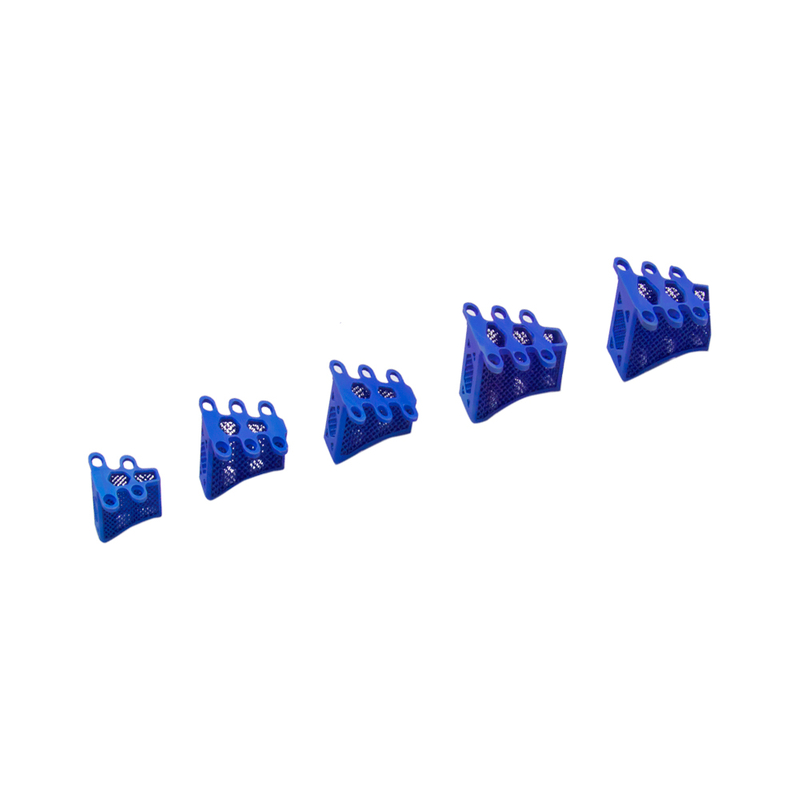
Tibial Tuberosity Advancement (TTA) system
Tibial Tuberosity Advancement (TTA) system — a orthopedic device from OrthoLimited, supplied to ISO 13485 standards for hospitals and distributors worldwide.
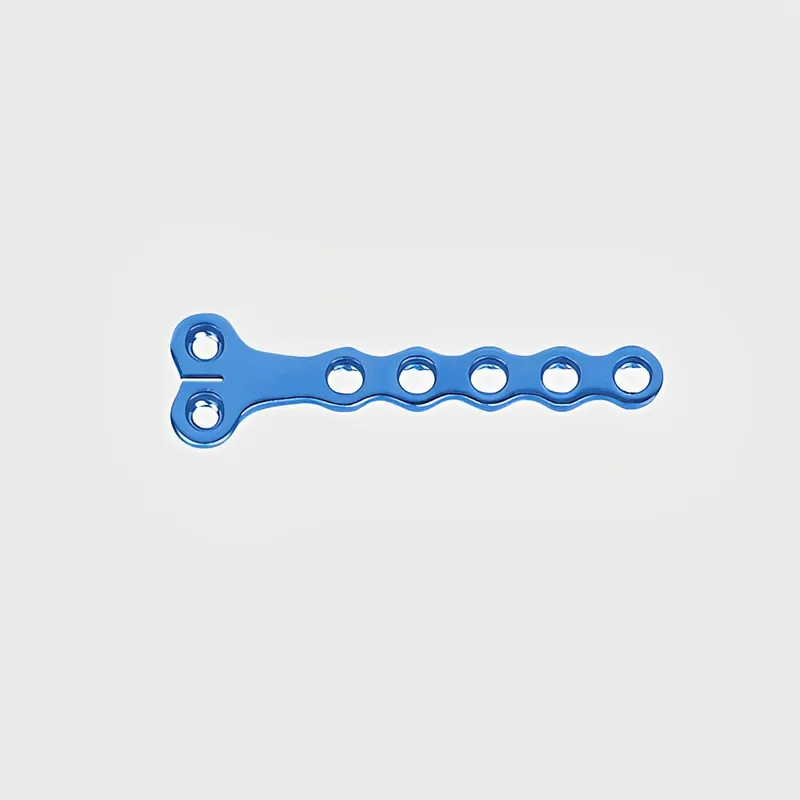
T Type Locking Plate
T Type Locking Plate — a orthopedic fixation plate from OrthoLimited, supplied to ISO 13485 standards for hospitals and distributors worldwide.
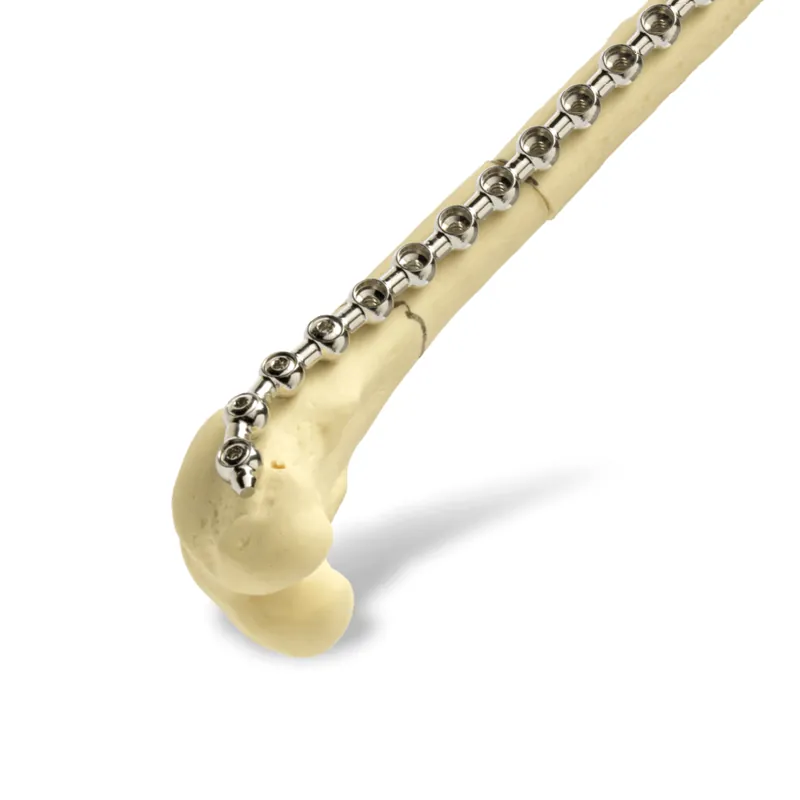
String of Pearls (SOP)
String of Pearls (SOP) — a orthopedic device from OrthoLimited, supplied to ISO 13485 standards for hospitals and distributors worldwide.
Straight Round Hole Plate
Straight Round Hole Plate — a orthopedic fixation plate from OrthoLimited, supplied to ISO 13485 standards for hospitals and distributors worldwide.
L Type Straight Locking Plate
L Type Straight Locking Plate — a orthopedic fixation plate from OrthoLimited, supplied to ISO 13485 standards for hospitals and distributors worldwide.
Double T Cuttable plate
Double T Cuttable plate — a orthopedic fixation plate from OrthoLimited, supplied to ISO 13485 standards for hospitals and distributors worldwide.
Arthrodesis of wrist joint locking plate
Arthrodesis of wrist joint locking plate — a orthopedic fixation plate from OrthoLimited, supplied to ISO 13485 standards for hospitals and distributors worldwide.