

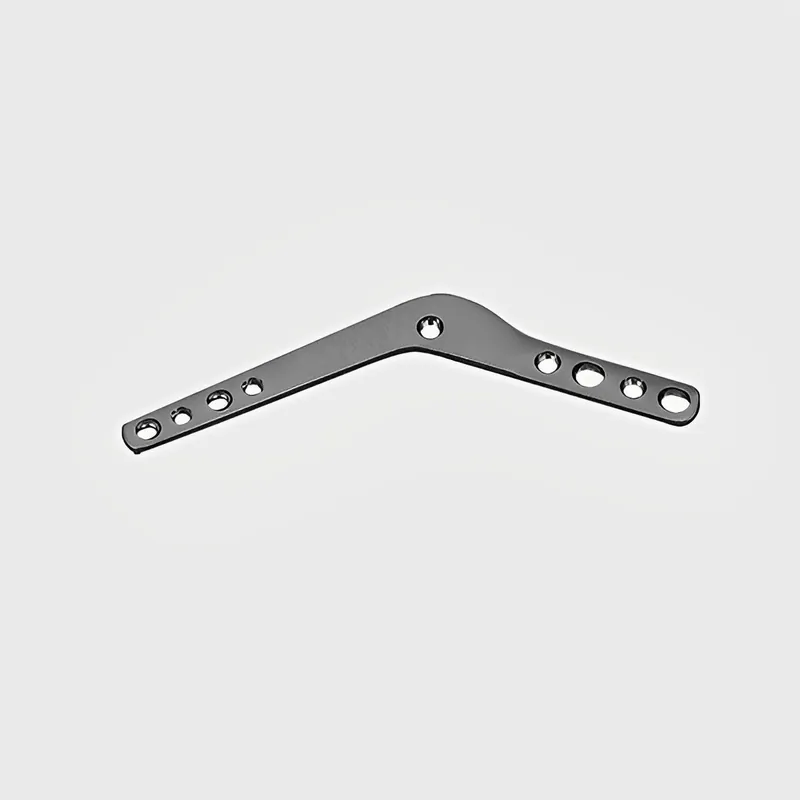
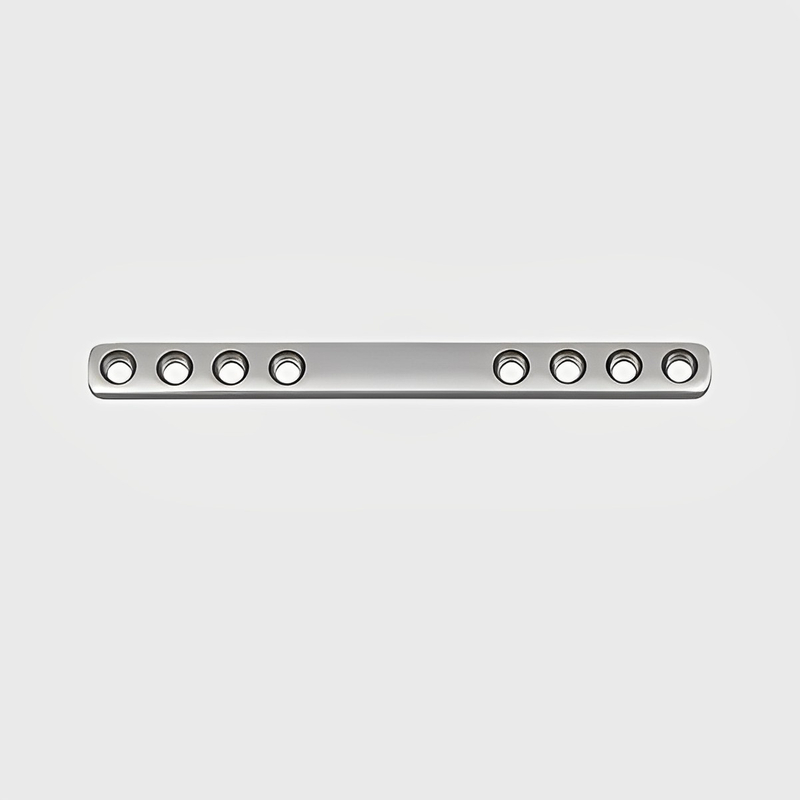
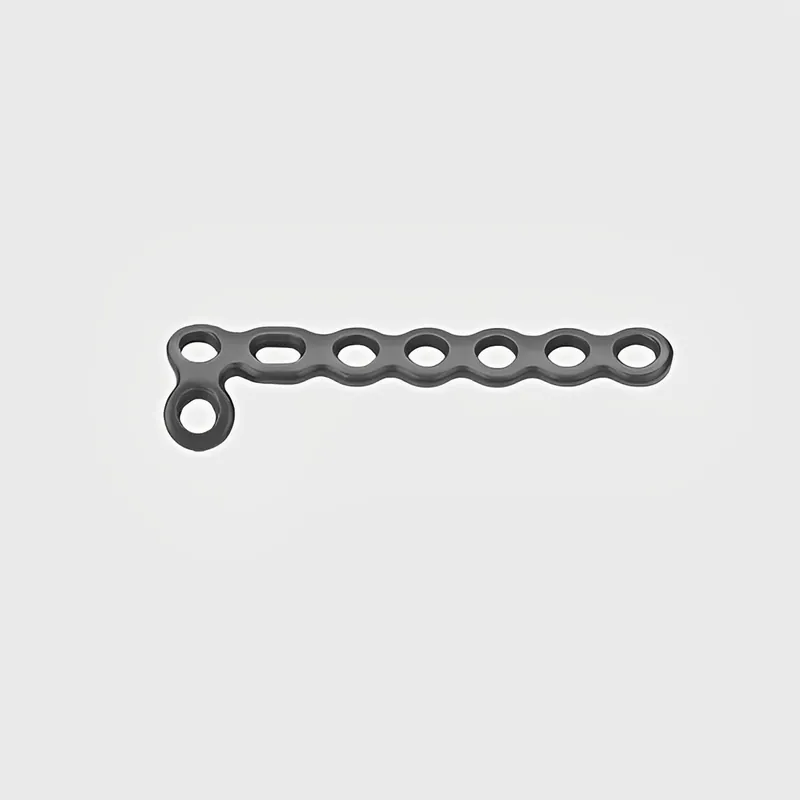
Arthrodesis of wrist joint locking plate
Arthrodesis of wrist joint locking plate — a orthopedic fixation plate from OrthoLimited, supplied to ISO 13485 standards for hospitals and distributors worldwide.
- SKU
- GA004
- MPN
- GA004
- Brand
- OrthoLimited
- Manufactured by
- OrthoLimited Inc.
- Warehouse
- EU
- Availability
- In stock
- ✓ CE marked
- ✓ ISO 13485
- ✓ Warranty included
- ✓ Worldwide shipping


Clinical overview
Product overview
Arthrodesis of the wrist joint is a surgical procedure that aims to fuse the bones of the wrist together, eliminating joint movement and reducing pain. Wrist arthrodesis is often performed in patients with severe wrist arthritis, traumatic injuries, or failed wrist surgeries. In this article, we will discuss the use of locking plates in wrist arthrodesis, the procedure itself, the recovery process, and potential complications.
Understanding Wrist Arthrodesis
What is Wrist Arthrodesis?
Wrist arthrodesis is a surgical procedure that involves fusing the bones of the wrist joint together. The aim of the procedure is to eliminate joint movement and reduce pain. Arthrodesis can be performed on any of the wrist joints, including the radiocarpal, intercarpal, and carpometacarpal joints.
Why is Wrist Arthrodesis Performed?
Wrist arthrodesis is typically performed in patients with severe wrist arthritis, traumatic injuries, or failed wrist surgeries. Arthrodesis may also be recommended for patients with certain congenital conditions, such as Madelung's deformity or Kienbock's disease.
What are the Benefits of Wrist Arthrodesis?
The main benefit of wrist arthrodesis is pain reduction. By fusing the bones together, the joint is stabilized and pain is reduced. Arthrodesis can also improve grip strength and wrist function in some cases.
What are the Risks of Wrist Arthrodesis?
The main risks of wrist arthrodesis are non-union (where the bones fail to fuse together), malunion (where the bones fuse in a suboptimal position), and infection. In addition, wrist arthrodesis may limit wrist range of motion and affect overall hand function.
The Use of Locking Plates in Wrist Arthrodesis
What are Locking Plates?
Locking plates are orthopedic implants used to stabilize bones during fracture healing or joint fusion. Locking plates have a special screw design that allows them to engage with the bone in a way that traditional plates do not.
Why are Locking Plates Used in Wrist Arthrodesis?
Locking plates are often used in wrist arthrodesis because they provide superior stability compared to traditional plates. This is especially important in patients with poor bone quality, as locking plates can achieve fixation in these cases where traditional plates cannot.
How are Locking Plates Used in Wrist Arthrodesis?
During wrist arthrodesis surgery, the bones of the wrist are prepared for fusion. Once the bones are properly aligned, a locking plate is positioned over the bone and screwed into place. The screws used in locking plate fixation are designed to engage with the bone in a way that traditional screws cannot.
What are the Advantages of Using Locking Plates in Wrist Arthrodesis?
The use of locking plates in wrist arthrodesis has several advantages, including increased stability, reduced risk of screw loosening, and the ability to achieve fixation in cases of poor bone quality.
The Wrist Arthrodesis Procedure
Preoperative Planning
Before wrist arthrodesis surgery, your surgeon will perform a thorough evaluation of your wrist and overall health. This may include X-rays, CT scans, or MRI scans to assess the extent of your wrist arthritis or other conditions.
Anesthesia
Wrist arthrodesis surgery is typically performed under general anesthesia. In some cases, local anesthesia with sedation may be used.
Incision and Exposure
The surgeon will make an incision over the wrist to expose the bones. The skin and soft tissues are carefully dissected to access the wrist joint.
Bone Preparation
The bones of the wrist joint are prepared for fusion by removing the cartilage and shaping the bones to fit together properly. The surgeon may use bone grafts to aid in the fusion process.
Plate Placement and Fixation
Once the bones are prepared, the locking plate is positioned over the bone and screwed into place. The screws used in locking plate fixation are designed to engage with the bone in a way that traditional screws cannot.
Closure
Once the plate and screws are in place, the incision is closed with sutures or staples. A cast or splint may be applied to the wrist to aid in the healing process.
Recovery Process
Postoperative Care
After wrist arthrodesis surgery, you will be closely monitored in the hospital for any signs of complications. You may be given pain medication and antibiotics to prevent infection.
Immobilization
The wrist will be immobilized in a cast or splint for several weeks to allow for proper healing. Physical therapy may be recommended to aid in recovery.
Return to Normal Activities
Most patients can expect to return to normal activities within three to six months after surgery. However, it may take up to a year for the bone to fully fuse together and for the wrist to fully heal.
Potential Complications
Non-Union
Non-union is a potential complication of wrist arthrodesis, where the bones fail to fuse together properly. This may require additional surgery to correct.
Malunion
Malunion is a potential complication of wrist arthrodesis, where the bones fuse in a suboptimal position. This may result in decreased wrist function or pain.
Infection
Infection is a potential complication of any surgical procedure. Signs of infection include redness, swelling, fever, and increased pain.
Conclusion
Wrist arthrodesis is a surgical procedure that aims to fuse the bones of the wrist together, reducing pain and improving wrist function. The use of locking plates in wrist arthrodesis provides superior stability compared to traditional plates, making it an attractive option for patients with poor bone quality. However, as with any surgical procedure, there are potential risks and complications that should be discussed with your surgeon.
Technical specifications
Engineering at a glance
Documentation, IFU and DOCs available on request — contact our sales team for the full regulatory file.
- Model
- GA004
- Material
- medical stainless steel
- Certification
- CE, ISO 9001, ISO 13485
Documents & downloads
Regulatory paperwork & manuals
Pre-cleared documentation for this device. Full tender-pack originals are available on request.
Documents & downloads
Regulatory paperwork & manuals
This device's IFU, CE Declaration of Conformity, ISO 13485 certificate and (where applicable) FDA 510(k) clearance ship with the order. Reach out below for the pack ahead of purchase.
Get in touch
Need configuration help, certificates, or volume pricing?
Our clinical sales team will scope quantities, voltage, accessories and regulatory paperwork — usually within one business day.
Customer reviews
No reviews yet — be the first to share your experience.
Related products
See all →
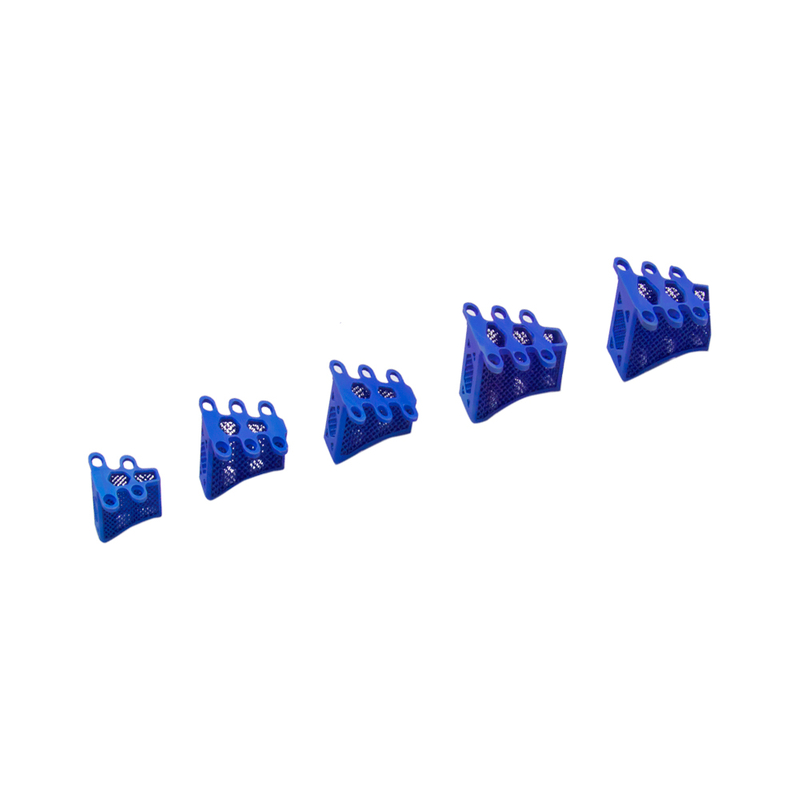
Tibial Tuberosity Advancement (TTA) system
Tibial Tuberosity Advancement (TTA) system — a orthopedic device from OrthoLimited, supplied to ISO 13485 standards for hospitals and distributors worldwide.
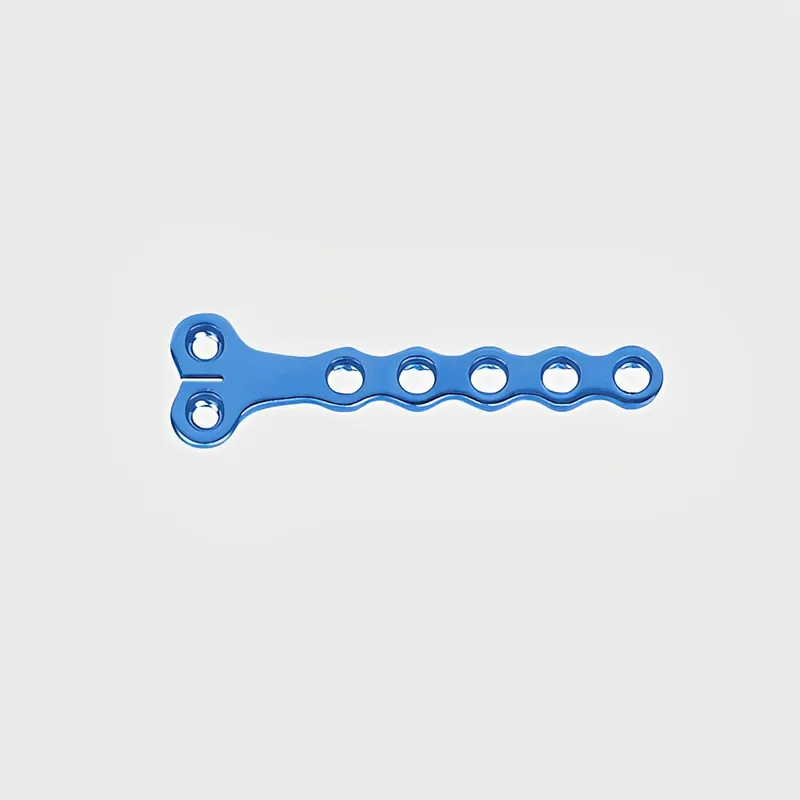
T Type Locking Plate
T Type Locking Plate — a orthopedic fixation plate from OrthoLimited, supplied to ISO 13485 standards for hospitals and distributors worldwide.
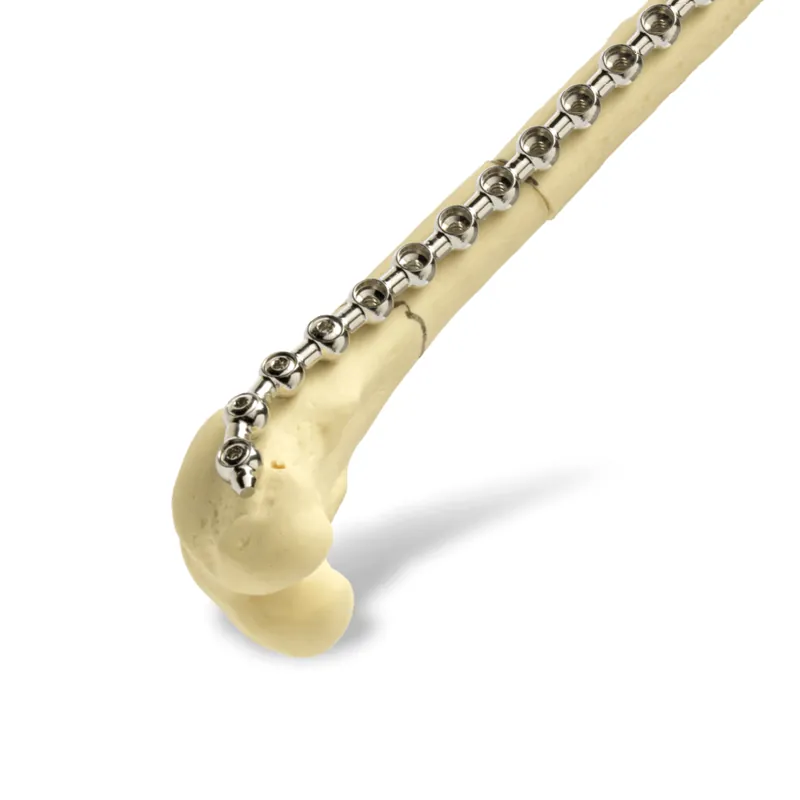
String of Pearls (SOP)
String of Pearls (SOP) — a orthopedic device from OrthoLimited, supplied to ISO 13485 standards for hospitals and distributors worldwide.
Straight Round Hole Plate
Straight Round Hole Plate — a orthopedic fixation plate from OrthoLimited, supplied to ISO 13485 standards for hospitals and distributors worldwide.
Reconstruction Locking Plate
Reconstruction Locking Plate — a orthopedic fixation plate from OrthoLimited, supplied to ISO 13485 standards for hospitals and distributors worldwide.
L Type Straight Locking Plate
L Type Straight Locking Plate — a orthopedic fixation plate from OrthoLimited, supplied to ISO 13485 standards for hospitals and distributors worldwide.
Double T Cuttable plate
Double T Cuttable plate — a orthopedic fixation plate from OrthoLimited, supplied to ISO 13485 standards for hospitals and distributors worldwide.