

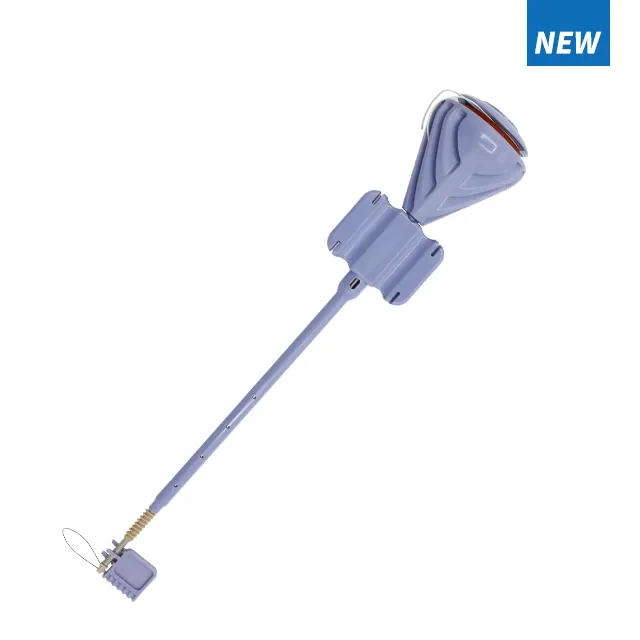
PEEK Anchor
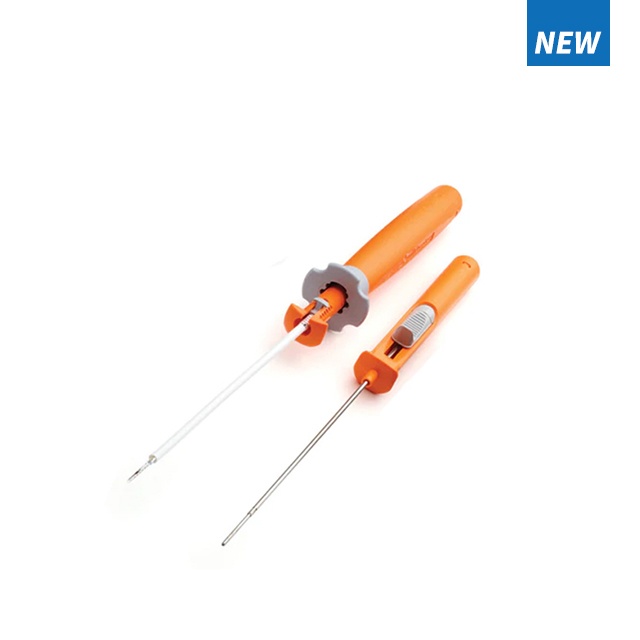
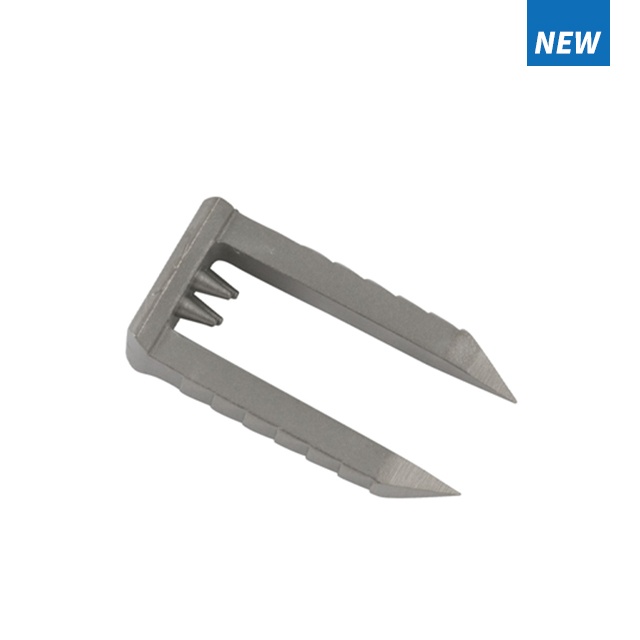
PEEK Anchor — a orthopedic device from OrthoLimited, supplied to ISO 13485 standards for hospitals and distributors worldwide.
- MPN
- C001
- Brand
- OrthoLimited
- Manufactured by
- OrthoLimited Inc.
- Warehouse
- EU
- Availability
- In stock
- ✓ CE marked
- ✓ ISO 13485
- ✓ Warranty included
- ✓ Worldwide shipping
Clinical overview
Product overview
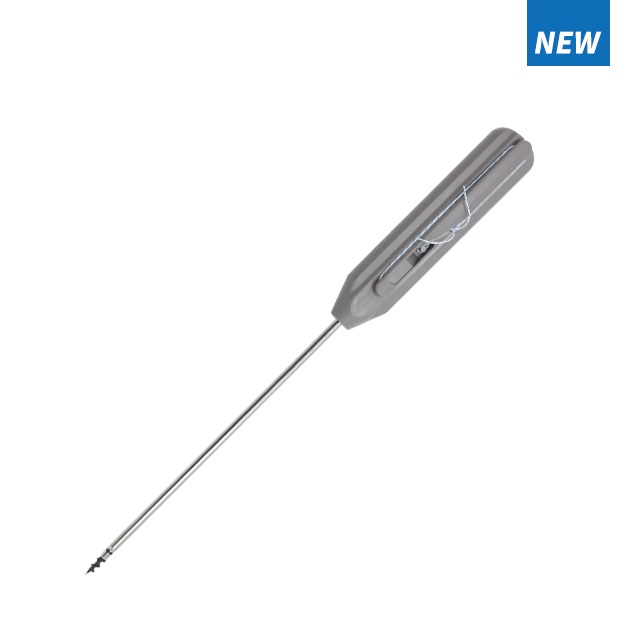
What is an anchoring suture?
, tendons, ligaments, and meniscus) to the bone and have become essential devices in sports medicine and during arthroscopic surgery. As the usage of suture anchors has increased, various material-specific advantages and challenges have been reported. As a result, suture anchors are continually changing to become safer and more efficient.
In this ever-changing environment, it is clinically essential for the surgeon to understand the key characteristics of existing anchors sufficiently.
) Shoulder surgery particularly has experienced a significant change in the type of techniques used from open repair of the rotator cuff and labrum using screws, washers, transosseous sutures, and staples to arthroscopic repair using suture anchors.
The primary function of the suture anchor is to attach tissue at the proper site and maintain its position without loosening or excessive tension until physiologic healing is accomplished. ) Various types of anchors have been developed, and designs of anchors have evolved over the recent decade to maximize their effectiveness in creating a firm tendon-to-bone repair.
Polyetheretherketone
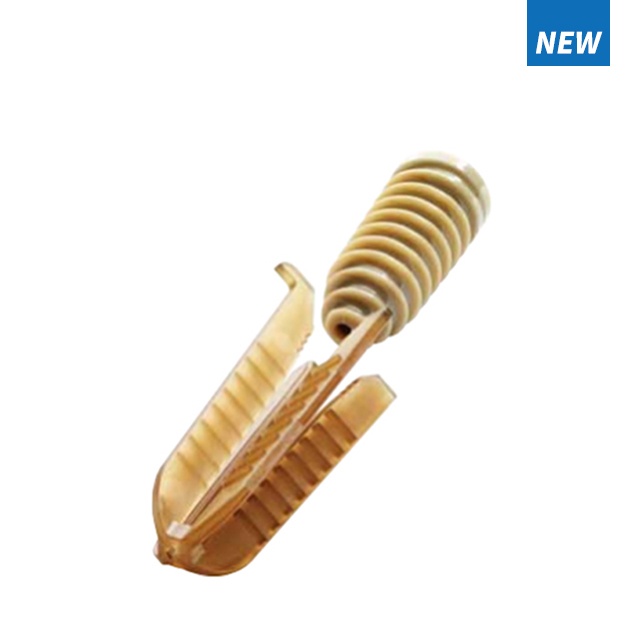
Because some biodegradable anchors can be absorbed too quickly, the development of biostable anchors was pursued. Such a biostable anchor—a polyetheretherketone (PEEK) polymer—is obtained by dialkylation of bisphenol salts )
PEEK is increasingly becoming used in tribological components because of its excellent performance. PEEK materials showed high strength, strong mechanical properties, good wear- and heat-resistance, and excellent chemical and biological resistance. ) PEEK also offers advantages, such as good postoperative imaging and stable fixation, and no complications associated with polymer degradation.
Importantly, the major problem with PEEK has been shown to be poor osseointegration. .)
BIOCOMPOSITE SUTURE ANCHOR
Biocomposite suture anchors are composed of both a biodegradable polymer material and a bone formation-promoting bioceramic material. ) TCP is widely used in orthopedic surgery to fill bone defects because (1) it has a mineral content similar to that of human bone, (2) its macro-porosity and micro-porosity is osteoconductive, and (3) it has excellent biocompatibility and mechanical resistance. ) Generally, hydroxyapatite-based bone substitute materials are considered nonabsorbable or have much lower degradation rates than β-TCP (Fig.
3))
ALL-SOFT SUTURE ANCHOR
Solid type suture anchors (e.g., metal and polymer) have been studied extensively and found to be sufficient for maintaining physiologic loads at soft tissue to bone junctions. Usually, these solid type anchors need surgical preparation of the bony footprint site (decortication, punching, or drilling) that may cause bone loss because of the grounding piece's volume.)
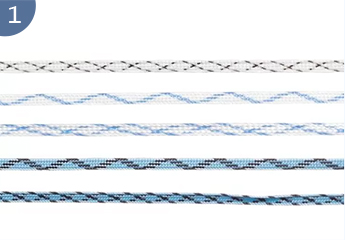
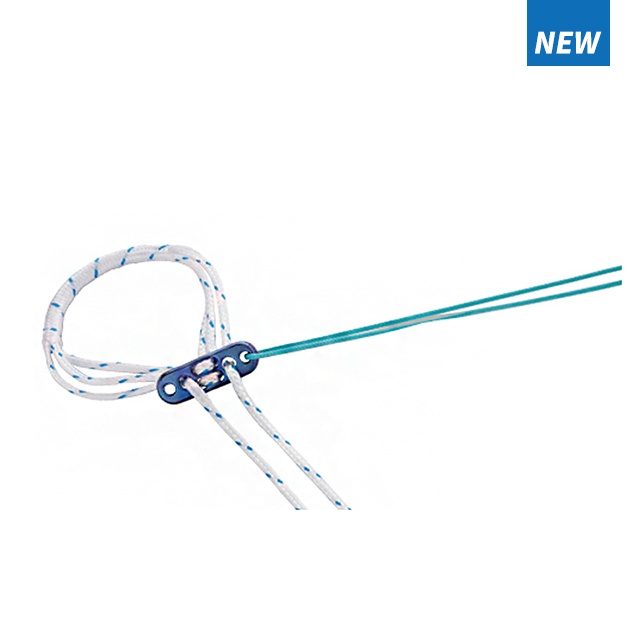
All-soft suture anchors (ASAs) were developed to minimize complications and invasiveness related to the use of solid type anchors. These ASAs consist of one or more ultra-high-molecular-weight polyethylene (UHMWPE)-containing sutures.
The ASAs typically consist of a sleeve or tape made of suture material through which the UHMWPE-containing suture is woven. This fixation mechanism differs compared with screw-type suture anchors. When the ASA is inserted into the bone and the primary suture is pulled, the sleeve or tape is cinched up to compress against the overlying cortical bone creating a “ball” that works as the anchor.
It allows the suture anchor to be placed in a tunnel with a smaller diameter (1–3 mm), thereby preserving bone and hypothetically allowing for more bone preservation, which may be particularly beneficial due to limited bone stock at the glenoid rim or acetabulum. .)
Technical specifications
Engineering at a glance
Documentation, IFU and DOCs available on request — contact our sales team for the full regulatory file.
- Model
- C001
- Material
- medical stainless steel
- Certification
- CE, ISO 9001, ISO 13485
Documents & downloads
Regulatory paperwork & manuals
Pre-cleared documentation for this device. Full tender-pack originals are available on request.
Documents & downloads
Regulatory paperwork & manuals
This device's IFU, CE Declaration of Conformity, ISO 13485 certificate and (where applicable) FDA 510(k) clearance ship with the order. Reach out below for the pack ahead of purchase.
Get in touch
Need configuration help, certificates, or volume pricing?
Our clinical sales team will scope quantities, voltage, accessories and regulatory paperwork — usually within one business day.
Customer reviews
No reviews yet — be the first to share your experience.
Related products
See all →
Polyethylene Suture Ethicon Suture
Polyethylene Suture Ethicon Suture — a orthopedic device from OrthoLimited, supplied to ISO 13485 standards for hospitals and distributors worldwide.
PEEK Interference Screw
PEEK Interference Screw — a orthopedic bone screw from OrthoLimited, supplied to ISO 13485 standards for hospitals and distributors worldwide.
Non-absorbable Suture Anchor
Non-absorbable Suture Anchor — a orthopedic device from OrthoLimited, supplied to ISO 13485 standards for hospitals and distributors worldwide.
Meniscus Repair System
Meniscus Repair System — a orthopedic device from OrthoLimited, supplied to ISO 13485 standards for hospitals and distributors worldwide.
Ligament Staple
Ligament Staple — a orthopedic device from OrthoLimited, supplied to ISO 13485 standards for hospitals and distributors worldwide.
Fixation Button
Fixation Button — a orthopedic device from OrthoLimited, supplied to ISO 13485 standards for hospitals and distributors worldwide.
ACL +PCL instrument set
ACL +PCL instrument set — a orthopedic instrument from OrthoLimited, supplied to ISO 13485 standards for hospitals and distributors worldwide.