

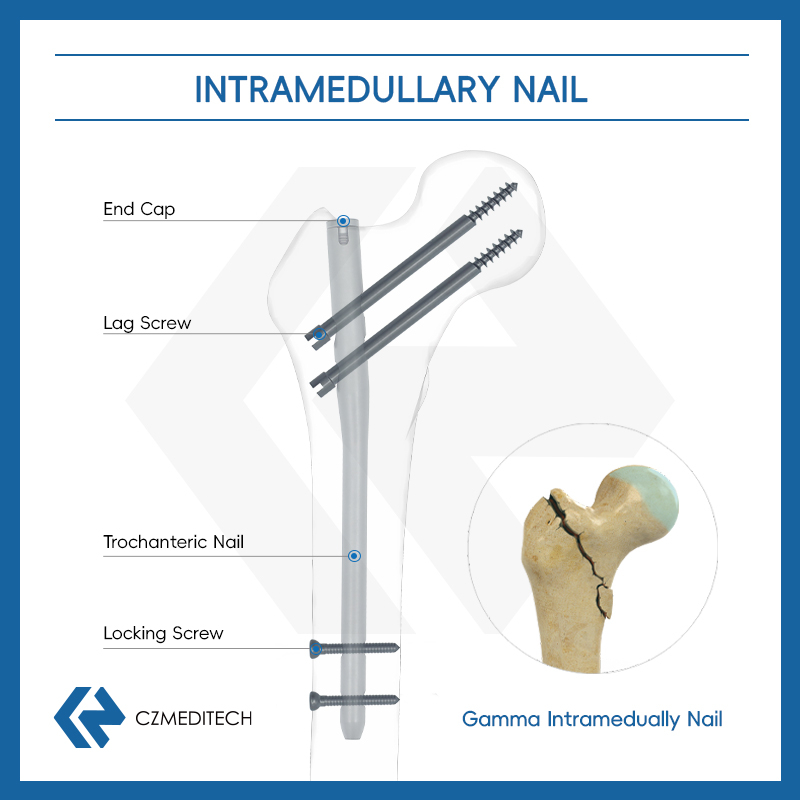
Gamma Nail
Gamma Nail — a intramedullary nail from OrthoLimited, supplied to ISO 13485 standards for hospitals and distributors worldwide.
- SKU
- 1100-06
- MPN
- 1100-06
- Brand
- OrthoLimited
- Manufactured by
- OrthoLimited Inc.
- Warehouse
- EU
- Availability
- In stock
- ✓ CE marked
- ✓ ISO 13485
- ✓ Warranty included
- ✓ Worldwide shipping
Clinical overview
Product overview
Gamma Intramedullary Nail – Product Overview
Details of Gamma Nail
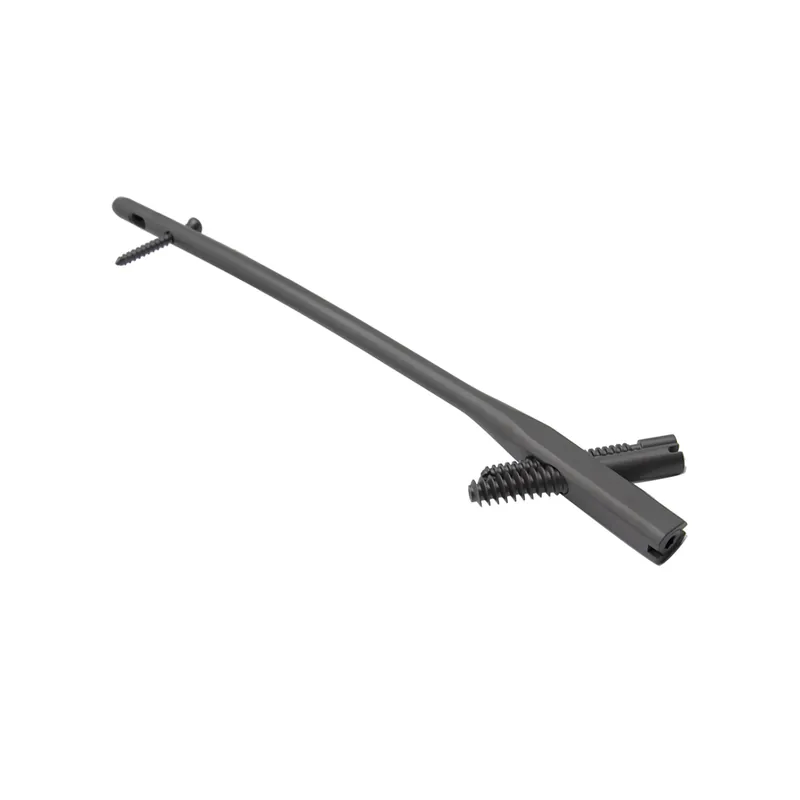
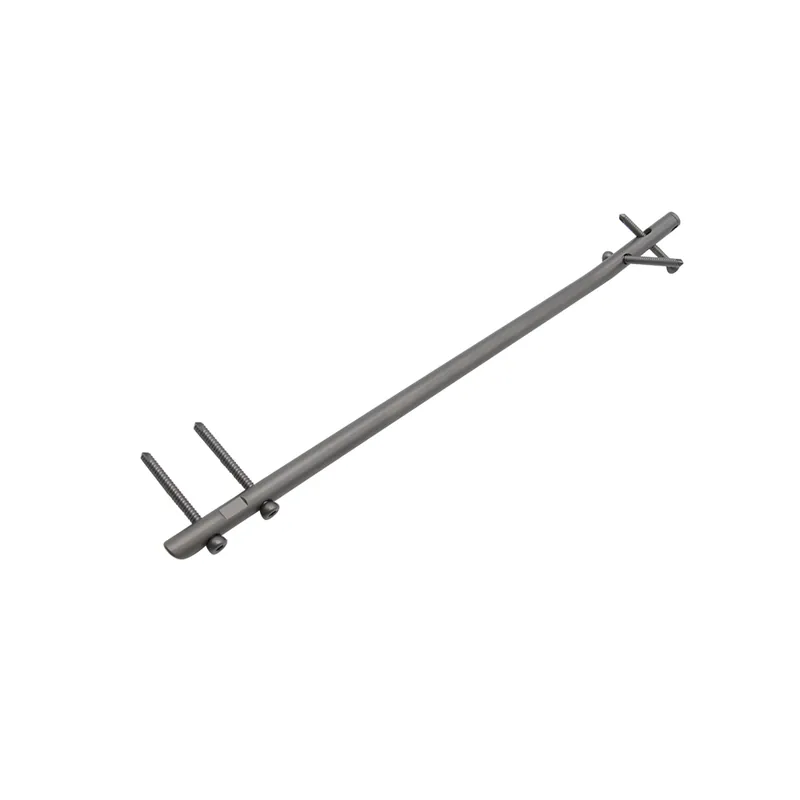
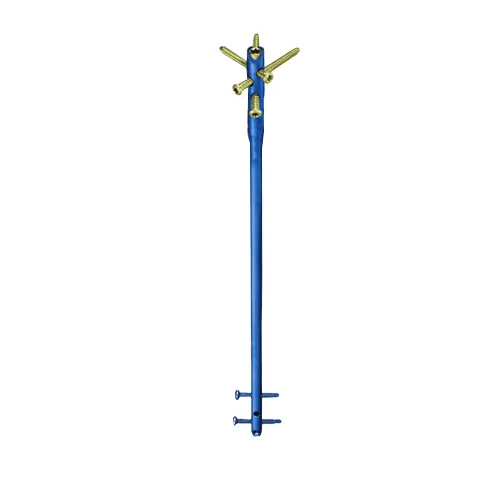
Gamma Intramedullary Nail (Main Nail)
The Main Nail is the core component of the Gamma Nail system, an intramedullary device engineered for the stabilization of proximal femoral fractures, particularly intertrochanteric and subtrochanteric fractures.
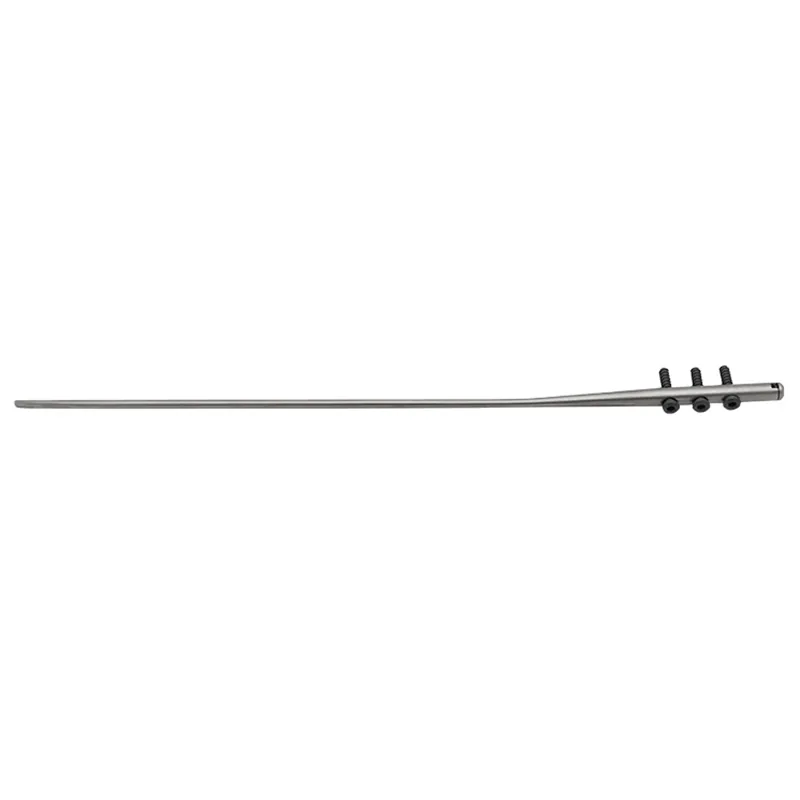
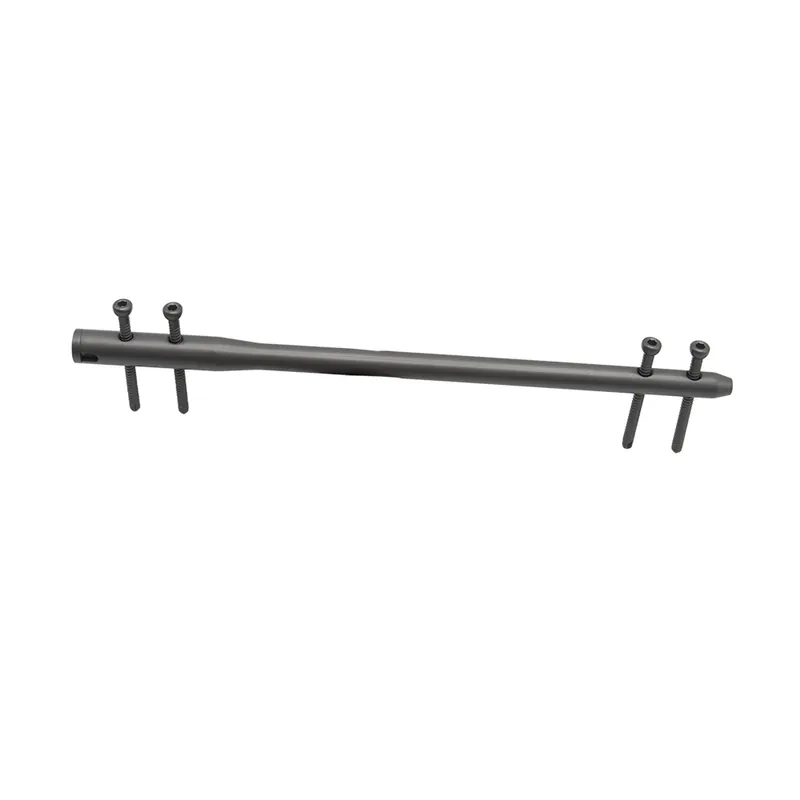
6.5mm Locking Screw(Solid)
This is a larger diameter, solid core locking screw designed to provide maximum pull-out strength and stability in situations requiring enhanced fixation.
3.5mm&4.5mm Locking Screw
3.5mm locking screw is typically used for proximal locking into the femoral neck and head, often functioning as an anti-rotation screw alongside the larger lag screw.4.5mm locking screw used in various locking points of the Gamma Nail system.
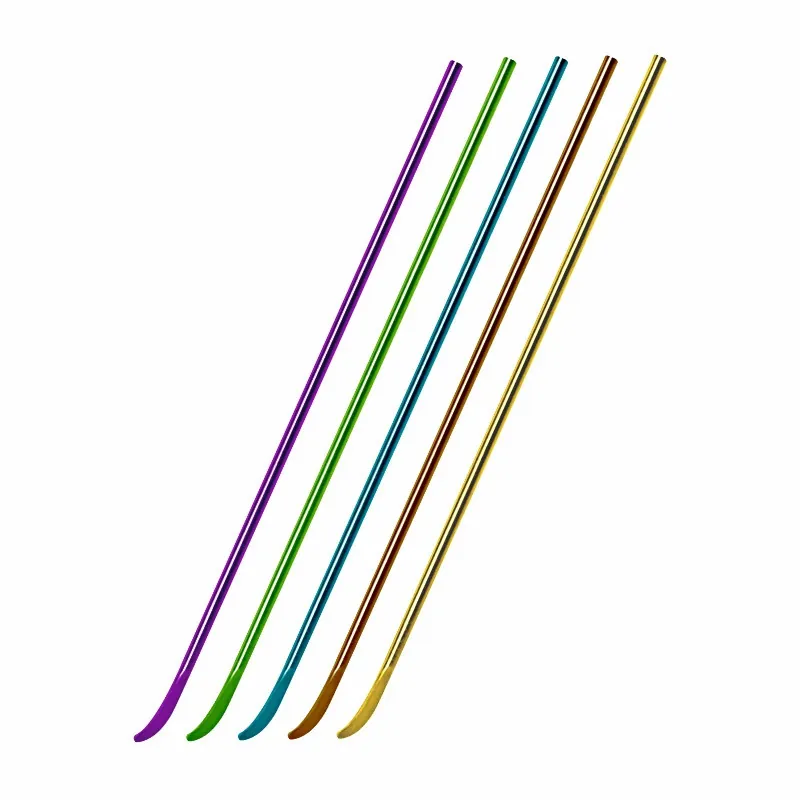
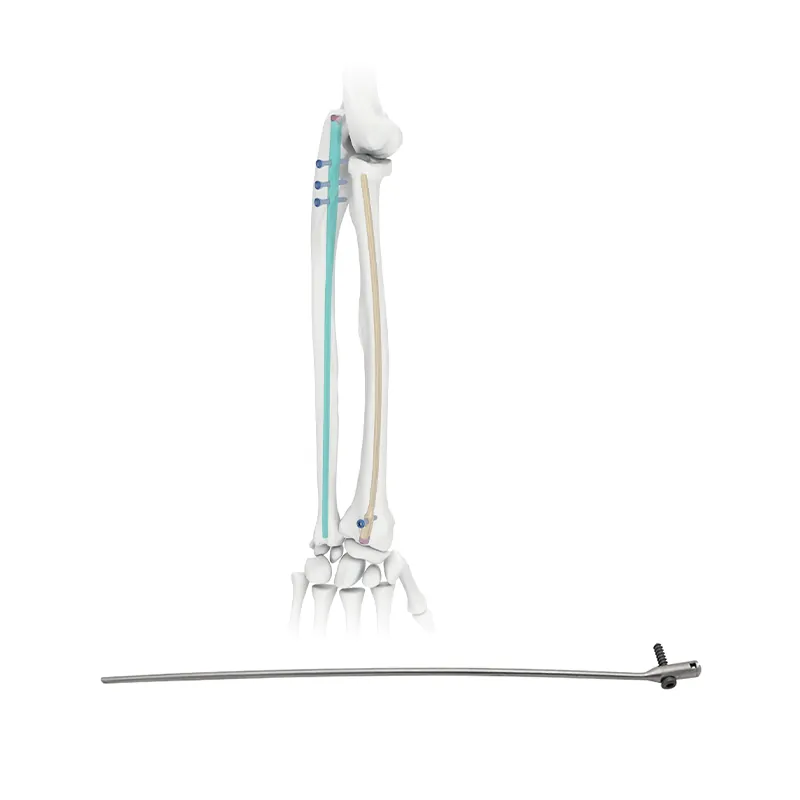
Gamma Intramedullary Nail Instrument set
The instrument set for the Gamma intramedullary nail is a comprehensive set of specially - designed tools used to ensure the safe and accurate implantation of the nail and its accessory screws.
Actual Picture of Gamma Intramedullary Nail
Clinical Advantages of Gamma Intramedullary Nail
Blog of Gamma Intramedullary Nail
Gamma Intramedullary Nail: A Comprehensive Overview
When it comes to orthopedic surgery, one of the most common procedures is the fixation of bone fractures with intramedullary nails. Among these, the gamma intramedullary nail is a popular choice due to its various advantages. In this article, we will discuss the design, indications, techniques, complications, and outcomes associated with the use of gamma intramedullary nail.
Introduction
The gamma intramedullary nail is a type of intramedullary fixation device used for the treatment of long bone fractures. It was first introduced by the AO Foundation in the 1980s and has since become a popular choice for the management of fractures in the femur, tibia, and humerus. The gamma nail is designed to provide stable fixation while preserving the biology of the fracture site and allowing for early weight-bearing.
Anatomy and Design
The gamma nail is a titanium alloy rod that is inserted into the intramedullary canal of the bone. The rod has a curved shape, which allows it to follow the natural contour of the bone. The proximal end of the nail has a flared shape, which provides rotational stability and prevents migration of the nail. The distal end of the nail has a screw thread, which engages with the cancellous bone and provides axial stability.
Indications
The gamma nail is indicated for the treatment of long bone fractures, particularly those in the femur, tibia, and humerus. It is most commonly used for fractures that are located in the middle or distal third of the bone. The gamma nail is also indicated for the treatment of fractures that are unstable or displaced, as well as for fractures that are comminuted or have a butterfly fragment.
Surgical Technique
The surgical technique for the insertion of a gamma nail involves the use of a specialized instrument set. The procedure is typically performed under general or regional anesthesia. After preparing the patient and the surgical site, a guide wire is inserted into the intramedullary canal of the bone using fluoroscopic guidance.
The guide wire is then reamed to prepare the canal for the nail. The gamma nail is inserted over the guide wire and advanced into the canal until it reaches the fracture site. The proximal and distal locking screws are then inserted to secure the nail in place.
Complications
While the gamma nail is generally considered a safe and effective treatment option, it is not without its potential complications. Complications associated with the use of a gamma nail may include:
Malalignment or malrotation of the nail
Fracture of the nail or the bone
Nonunion or delayed union of the fracture
Infection
Hardware failure
Damage to surrounding structures, such as nerves or blood vessels
Outcomes
Numerous studies have evaluated the outcomes associated with the use of a gamma nail for the treatment of long bone fractures. Overall, the results have been positive, with high rates of fracture union, low rates of complications, and good functional outcomes reported. A meta-analysis of 22 studies found that the use of a gamma nail resulted in a 95% union rate and a 92% good or excellent functional outcome.
Conclusion
In conclusion, the gamma intramedullary nail is a popular and effective treatment option for long bone fractures. It offers numerous advantages over other fixation methods, including stable fixation, preservation of the biology of the fracture site, and early weight-bearing. While it is not without its potential complications, the overall outcomes associated with the use of a gamma nail are excellent.
Gamma Nail FAQs
1: How long does it take to recover after Gamma Nail surgery?
Recovery time after Gamma Intramedullary Nail surgery varies depending on the fracture type, fracture location (such as intertrochanteric or subtrochanteric fractures), patient age, bone quality, and overall health condition.
In general, most patients begin early mobilization shortly after surgery and can expect functional recovery and a return to daily activities within 3 to 6 months, provided there are no complications and rehabilitation protocols are followed.
2: Is a Gamma Nail suitable for all long bone fractures?
No. Although the Gamma Nail system is widely used for the fixation of proximal femoral and selected long bone fractures, it is not suitable for all fracture types.
The indication depends on factors such as fracture pattern, bone anatomy, patient condition, and surgeon assessment. Final implant selection should always be based on clinical evaluation and surgical judgment.
3: Is Gamma Nail insertion a painful procedure?
Gamma Nail insertion is performed under general or regional anesthesia, meaning patients do not experience pain during the surgical procedure itself.
Postoperative pain or discomfort may occur but is usually temporary and can be effectively managed with pain medication, rehabilitation, and proper postoperative care.
4: What are the possible complications of Gamma Nail surgery?
As with any orthopedic implant procedure, Gamma Nail surgery carries potential risks. Possible complications may include implant malalignment, delayed union or nonunion, infection, hardware failure, fracture around the implant, or injury to surrounding nerves or blood vessels.
Careful surgical technique, proper implant selection, and postoperative monitoring help minimize these risks.
5: Does a Gamma Intramedullary Nail need to be removed after fracture healing?
In most cases, a Gamma Intramedullary Nail does not require removal once the fracture has healed.
However, implant removal may be considered if the patient experiences persistent pain, implant-related irritation, or other complications. The decision should be made by the treating orthopedic surgeon based on clinical symptoms and imaging results.
OrthoLimited-Gamma Nail
This video showcases the Gamma Nail product from OrthoLimited, a leading innovator in medical technology solutions. Our Gamma Nail is designed for precision and reliability in orthopedic procedures.
Documents Download
Catalog
PDF, 83.45 MBComprehensive listing of all products with specifications and features.
Updated: Feb 2024Surgical Technique
PDF, 23.30MBDetailed instructions on product usage, maintenance procedures, and safety guidelines.
Updated: May 2025Product Series
Spine
Intramedullary Nail
Locking Plate
Non-locking Plate
Power Tool
External Fixator
Sterilization Container
CMF/Maxillofacial
Arthroscopy System
Hip & Knee Prosthesis
Veterinary
Kyphoplasty
Technical specifications
Engineering at a glance
Documentation, IFU and DOCs available on request — contact our sales team for the full regulatory file.
- Model
- 1100-06
- Material
- Stainless Steel / Titanium
- Certification
- CE, ISO 9001, ISO 13485
Documents & downloads
Regulatory paperwork & manuals
Pre-cleared documentation for this device. Full tender-pack originals are available on request.
Documents & downloads
Regulatory paperwork & manuals
This device's IFU, CE Declaration of Conformity, ISO 13485 certificate and (where applicable) FDA 510(k) clearance ship with the order. Reach out below for the pack ahead of purchase.
Get in touch
Need configuration help, certificates, or volume pricing?
Our clinical sales team will scope quantities, voltage, accessories and regulatory paperwork — usually within one business day.
Customer reviews
No reviews yet — be the first to share your experience.
Related products
See all →
Ulna Intramedullary Nail
Ulna Intramedullary Nail — a intramedullary nail from OrthoLimited, supplied to ISO 13485 standards for hospitals and distributors worldwide.
TriGen InterTAN Nail
TriGen InterTAN Nail — a intramedullary nail from OrthoLimited, supplied to ISO 13485 standards for hospitals and distributors worldwide.
Titanium Elastic Nail
Titanium Elastic Nail — a intramedullary nail from OrthoLimited, supplied to ISO 13485 standards for hospitals and distributors worldwide.
Tibial Nail
Tibial Nail — a intramedullary nail from OrthoLimited, supplied to ISO 13485 standards for hospitals and distributors worldwide.
Suprapatellar Approach Tibial Nail
Suprapatellar Approach Tibial Nail — a intramedullary nail from OrthoLimited, supplied to ISO 13485 standards for hospitals and distributors worldwide.
Reversed Femoral Nail
Reversed Femoral Nail — a intramedullary nail from OrthoLimited, supplied to ISO 13485 standards for hospitals and distributors worldwide.
Radius Intramedullary Nail
Radius Intramedullary Nail — a intramedullary nail from OrthoLimited, supplied to ISO 13485 standards for hospitals and distributors worldwide.