

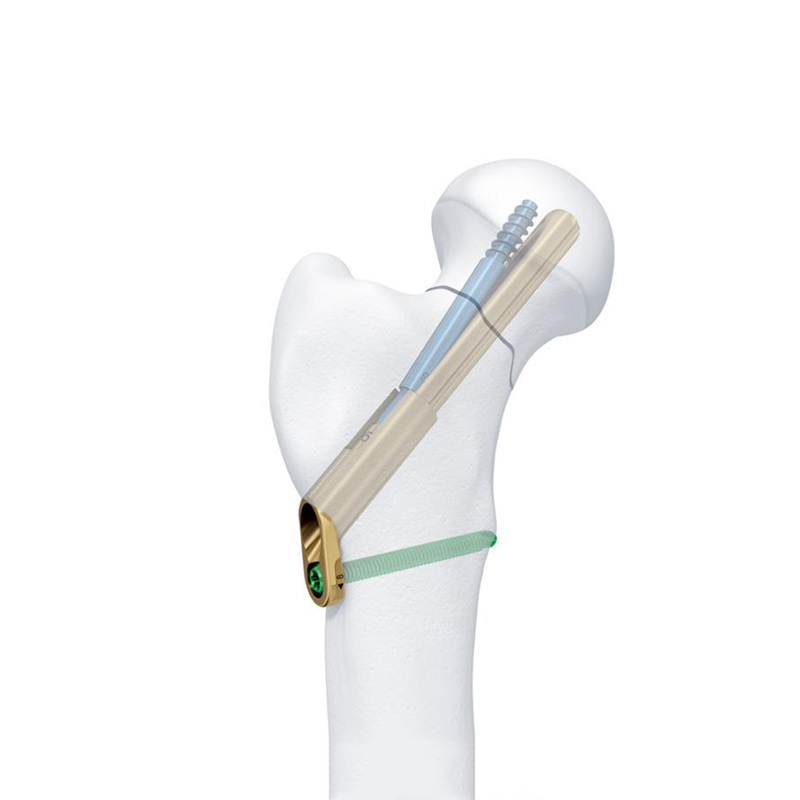
FNS (Femoral Neck System)
FNS (Femoral Neck System) — a orthopedic device from OrthoLimited, supplied to ISO 13485 standards for hospitals and distributors worldwide.
- SKU
- 3300-01
- MPN
- 3300-01
- Brand
- OrthoLimited
- Manufactured by
- OrthoLimited Inc.
- Warehouse
- EU
- Availability
- In stock
- ✓ CE marked
- ✓ ISO 13485
- ✓ Warranty included
- ✓ Worldwide shipping
Clinical overview
Product overview
FNS (Femoral Neck System)
Product Overview of FNS Femoral Neck System
What Is the FNS Femoral Neck System for Femoral Neck Fractures?
The FNS system is a medical device intended to temporarily fix, correct or stabilize fractures in the femoral neck region. It consists of an anatomically contoured locking plate, a central fixation bolt, anti-rotation screws, and dedicated instrumentation to support precise placement with minimal soft tissue disruption. OrthoLimited The minimally invasive design allows smaller incisions, reduced trauma to surrounding tissues, and a shorter perioperative recovery period compared to traditional open procedures.
Intended Use and Clinical Application of FNS Hip Fixation System
Indications for Femoral Neck Fracture Fixation
Femoral neck fractures requiring stable internal fixation
Fracture patterns where preservation of the femoral head is desired
Adult patients where minimal invasive internal fixation is indicated
These indications are consistent with the intended use defined in the product description.
Contraindications of FNS Orthopedic Implant
The FNS system should not be used where internal fixation cannot provide adequate stabilization due to severely compromised bone quality or in active infection at the surgical site. Specific contraindications may include:
Non-fracture conditions
Active systemic or localized infection
Cases with insufficient bone stock not suited for internal fixation
Proper patient assessment and surgical judgment should guide device usage.
Warnings and Precautions for Hip Fracture Internal Fixation
Clinical decisions must consider patient-specific factors including bone quality, comorbidities, and overall fracture complexity. Surgeons must optimize implant selection and placement to minimize the risks associated with mechanical failure or postoperative complications. Surgical imaging and intraoperative monitoring are recommended to ensure correct positioning and alignment.
Additionally, this system should not be used for cases where there is a high incidence of:
Sepsis
Malignant primary or metastatic tumors
Material sensitivity
Compromised vascularity
Possible Adverse Events of Femoral Neck Internal Fixation System
As with any internal fixation device and surgical procedure, risks may occur. Common potential adverse events include, but are not limited to:
Incision site infection
Implant loosening or breakage
Delayed union or nonunion
Soft tissue irritation
Temporary or permanent nerve or vessel injury
Allergic reactions to implant material
Your orthopedic surgeon will discuss potential risks and measures to minimize complications before surgery.
Key Features and Benefits of FNS Femoral Neck Fixation System
Technical Specifications of FNS Femoral Neck Fixation System
FNS Locking Plate
The FNS (Femoral Neck System) Locking Plate is an innovative implant designed for the fixation of femoral neck fractures. It represents a paradigm shift from traditional multiple screw constructs by offering a standardized, simplified implant with angular stability.
5.0 Locking Screw
The 5.0mm Locking Screw is specifically designed to secure the FNS Locking Plate to the femoral shaft.
FNS Bolts+Antirotation Screws
This is the core implant combination that provides the unique dynamic compression and anti-rotation function of the FNS system.
The Bolt: This is the main implant that is inserted through the plate and into the femoral head.
The Antirotation Screw: Placed parallel to the main bolt, this screw primarily functions to prevent rotation of the femoral head fragment.
FNS Instrument Set 3300-04
The FNS Instrument Set (3300-04) is a comprehensive and meticulously designed surgical toolkit that ensures precise, efficient, and reproducible implantation of the FNS system.
| name | specifications | REF(titanium alloy) |
FNS Locking Plate (130° CCD angle) (Use 5.0 Locking Screw) | 1 hole | 3300-0101 |
| 2 holes | 3300-0102 | |
| FNS Bolts+Antirotation Screws | 75mm | 3300-0201 |
| 80mm | 3300-0202 | |
| 85mm | 3300-0203 | |
| 90mm | 3300-0204 | |
| 95mm | 3300-0205 | |
| 100mm | 3300-0206 | |
| 105mm | 3300-0207 | |
| 110mm | 3300-0208 | |
| 115mm | 3300-0209 |
Product Images and Actual Photos of FNS Orthopedic System
Clinical Knowledge and Educational Resources on FNS System
FNS (Femoral Neck System): An Overview
The femoral neck is the part of the thigh bone that connects to the hip joint. Injuries to this area can be severe and may require surgery. One surgical option is the Femoral Neck System (FNS), a medical device used to treat fractures of the femoral neck. In this article, we will provide an overview of FNS, including its benefits, risks, and recovery process.
What is FNS?
FNS is a medical device designed to provide fixation and stabilization of femoral neck fractures. The device consists of a plate and screws, which are used to stabilize the broken bone. The system is designed to be minimally invasive, which means that it requires smaller incisions and causes less trauma to the surrounding tissue compared to traditional open surgery.
Benefits of FNS
The use of FNS provides several benefits, including:
Faster recovery: The minimally invasive nature of the procedure means that patients can recover more quickly than with traditional open surgery.
Reduced pain: The smaller incisions and less traumatic procedure can result in less post-operative pain.
Lower risk of complications: FNS has a lower risk of complications such as infection, nerve damage, and blood loss.
Improved mobility: FNS can help restore mobility and function to the affected area more quickly than traditional open surgery.
Risks and complications
As with any surgical procedure, there are potential risks and complications associated with the use of FNS. These include:
Infection: There is a risk of infection at the site of the incision or around the screws used to attach the plate.
Implant failure: The plate may loosen or break over time, requiring additional surgery.
Nerve or blood vessel damage: The surgical procedure can damage nerves or blood vessels in the surrounding area, leading to numbness or tingling in the leg or foot.
Allergic reaction: Some patients may have an allergic reaction to the metal used in the plate.
Recovery process
After the procedure, you will be instructed to keep weight off the affected leg for a period of time. You may be given crutches or a walker to assist with mobility. Physical therapy may also be prescribed to help restore strength and function to the affected leg. Recovery time can vary depending on the extent of the injury and the individual patient, but in general, it takes several weeks to a few months to fully recover.
Frequently Asked Questions About FNS Femoral Neck System
What is the FNS Femoral Neck System used for?
The FNS (Femoral Neck System) is used for internal fixation of femoral neck fractures. It is designed to stabilize the fracture, provide angular stability, and support bone healing while preserving the femoral head.
What types of femoral neck fractures are indicated for the FNS system?
The FNS system is indicated for femoral neck fractures that require stable internal fixation, particularly undisplaced or minimally displaced fractures, and cases where femoral head preservation is clinically desired.
How is the FNS system different from traditional cannulated screw fixation?
Compared with traditional cannulated screws, the FNS system provides improved angular and rotational stability through a combination of a fixation bolt, anti-rotation screw, and locking plate, helping to reduce the risk of fixation failure.
Is the FNS system suitable for minimally invasive surgery?
Yes. The FNS Femoral Neck System is designed to support minimally invasive surgical techniques, allowing smaller incisions, reduced soft tissue disruption, and potentially faster postoperative recovery.
What materials are used in the FNS Femoral Neck System?
The FNS system is manufactured from medical-grade titanium alloy, which offers high strength, corrosion resistance, and biocompatibility for orthopedic implantation.
Can the FNS system provide controlled compression at the fracture site?
Yes. The design of the FNS system allows controlled dynamic compression at the fracture site, which may help promote fracture healing while minimizing excessive femoral neck shortening.
What are the main components of the FNS Femoral Neck System?
The system consists of an anatomically contoured locking plate, a central fixation bolt, anti-rotation screws, 5.0 mm locking screws, and a dedicated instrument set for accurate implantation.
What are the possible risks or complications associated with the FNS system?
Potential risks include infection, delayed union or nonunion, implant loosening or breakage, femoral head necrosis, and the need for revision surgery. Proper patient selection and surgical technique are essential to reduce these risks.
Is the FNS system suitable for patients with osteoporosis?
In patients with severe osteoporosis, fixation stability may be compromised. The suitability of the FNS system should be carefully evaluated by the surgeon based on bone quality and fracture characteristics.
Does the FNS system require special surgical instruments?
Yes. The FNS system uses a dedicated instrument set (Model 3300-04) designed to support accurate guide wire placement, reaming, and controlled implant insertion.
Is the FNS Femoral Neck System supplied sterile?
The FNS system is supplied non-sterile and must be cleaned and sterilized according to standard hospital protocols before clinical use.
Can OrthoLimited provide OEM or distributor support for the FNS system?
Yes. OrthoLimited offers OEM and ODM services, technical support, and distributor cooperation for the FNS Femoral Neck System. For detailed information, consultation with OrthoLimited orthopedic experts is recommended.
OrthoLimited-Gamma Nail
This video showcases the Gamma Nail product from OrthoLimited, a leading innovator in medical technology solutions. Our Gamma Nail is designed for precision and reliability in orthopedic procedures.
Documents Download for FNS Orthopedic Implant
Catalog
PDF, 83.45 MBComprehensive listing of all products with specifications and features.
Updated: Feb 2024Surgical Technique
PDF, 23.30MBDetailed instructions on product usage, maintenance procedures, and safety guidelines.
Updated: May 2025Product Series
Spine
Intramedullary Nail
Locking Plate
Non-locking Plate
Power Tool
External Fixator
Sterilization Container
CMF/Maxillofacial
Arthroscopy System
Hip & Knee Prosthesis
Veterinary
Kyphoplasty
Technical specifications
Engineering at a glance
Documentation, IFU and DOCs available on request — contact our sales team for the full regulatory file.
- Model
- 3300-01
- Material
- Titanium Alloy
Standard instrument composition
What ships in the box
| Item | Quantity |
|---|---|
| Incision site infection | 1 |
| Implant loosening or breakage | 1 |
| Delayed union or nonunion | 1 |
| Soft tissue irritation | 1 |
| Temporary or permanent nerve or vessel injury | 1 |
| Allergic reactions to implant material | 1 |
Documents & downloads
Regulatory paperwork & manuals
Pre-cleared documentation for this device. Full tender-pack originals are available on request.
Documents & downloads
Regulatory paperwork & manuals
This device's IFU, CE Declaration of Conformity, ISO 13485 certificate and (where applicable) FDA 510(k) clearance ship with the order. Reach out below for the pack ahead of purchase.
Get in touch
Need configuration help, certificates, or volume pricing?
Our clinical sales team will scope quantities, voltage, accessories and regulatory paperwork — usually within one business day.
Customer reviews
No reviews yet — be the first to share your experience.
Related products
See all →
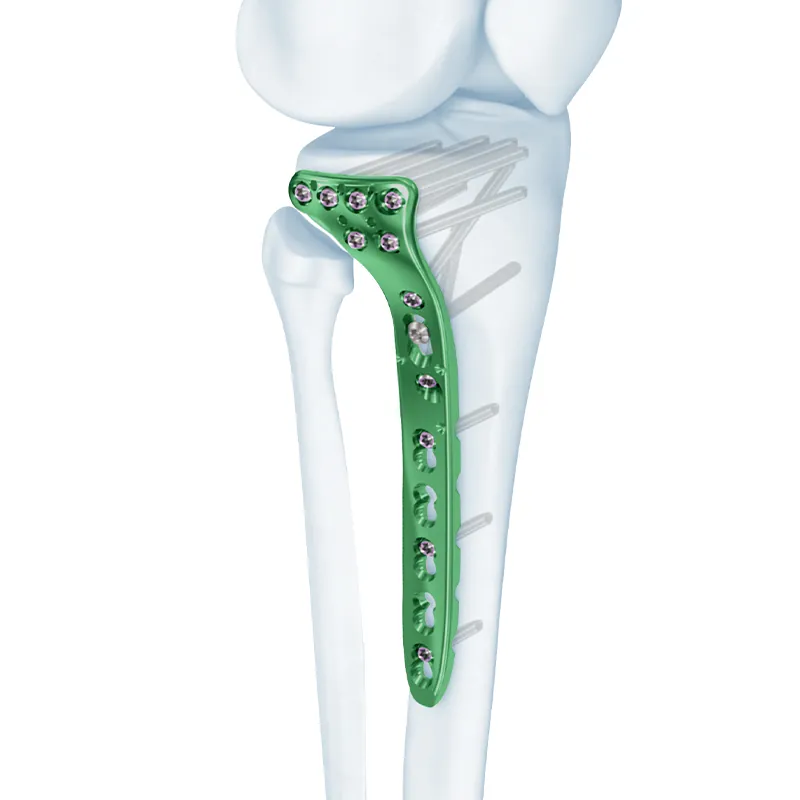
VA Proximal Tibia Locking Plate
VA Proximal Tibia Locking Plate — a orthopedic fixation plate from OrthoLimited, supplied to ISO 13485 standards for hospitals and distributors worldwide.
VA Distal Tibia Locking T-Plate
VA Distal Tibia Locking T-Plate — a orthopedic fixation plate from OrthoLimited, supplied to ISO 13485 standards for hospitals and distributors worldwide.
VA Distal Tibia Locking L-Plate
VA Distal Tibia Locking L-Plate — a orthopedic fixation plate from OrthoLimited, supplied to ISO 13485 standards for hospitals and distributors worldwide.
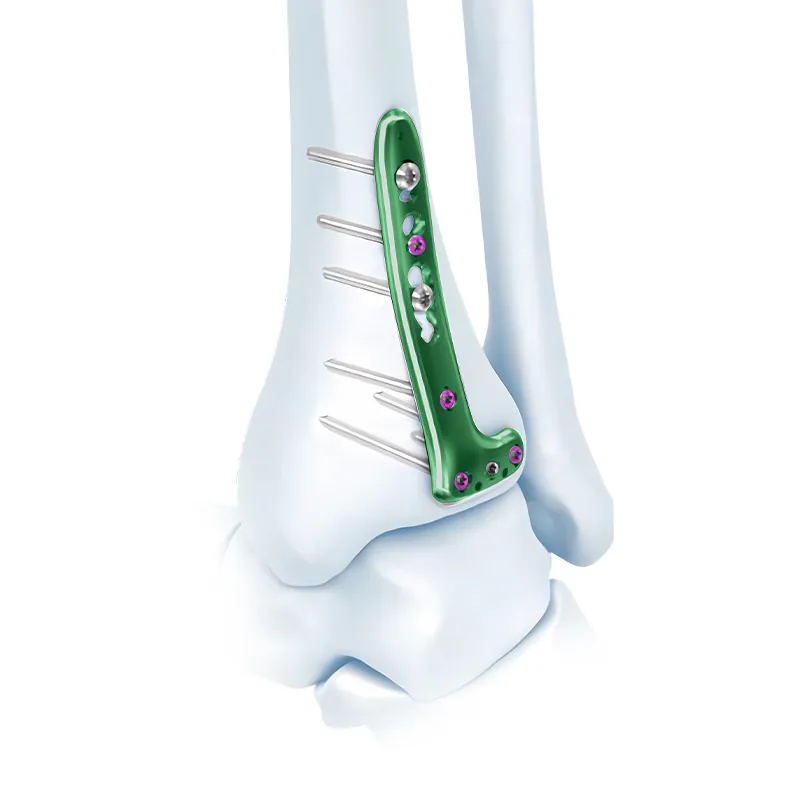
VA Distal Medial Tibia Locking Plate
VA Distal Medial Tibia Locking Plate — a orthopedic fixation plate from OrthoLimited, supplied to ISO 13485 standards for hospitals and distributors worldwide.
VA Distal Lateral Tibia Locking Plate
VA Distal Lateral Tibia Locking Plate — a orthopedic fixation plate from OrthoLimited, supplied to ISO 13485 standards for hospitals and distributors worldwide.
Tibia Locking Plate Narrow
Tibia Locking Plate Narrow — a orthopedic fixation plate from OrthoLimited, supplied to ISO 13485 standards for hospitals and distributors worldwide.
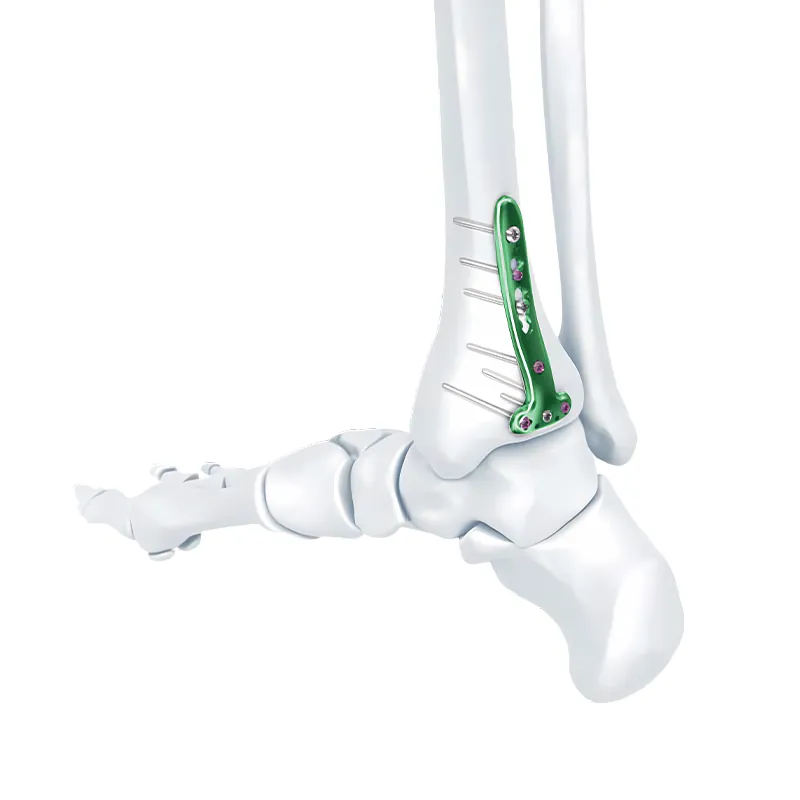
Supra ankle Osteotomy Locking Plate
Supra ankle Osteotomy Locking Plate — a orthopedic fixation plate from OrthoLimited, supplied to ISO 13485 standards for hospitals and distributors worldwide.