

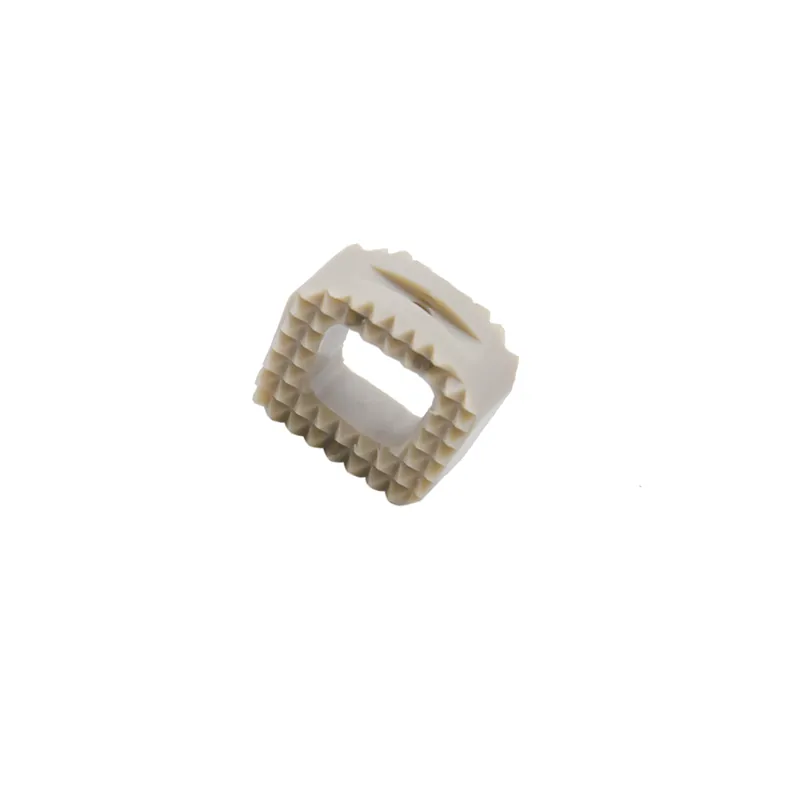
Cervical Peek Cage
Cervical Peek Cage — a spinal fixation implant from OrthoLimited, supplied to ISO 13485 standards for hospitals and distributors worldwide.
- SKU
- 2100-38
- MPN
- 2100-38
- Brand
- OrthoLimited
- Manufactured by
- OrthoLimited Inc.
- Warehouse
- EU
- Availability
- In stock
- ✓ CE marked
- ✓ ISO 13485
- ✓ Warranty included
- ✓ Worldwide shipping
Clinical overview
Product overview
OrthoLimited Cervical Peek Cage
What is Cervical Peek Cage?
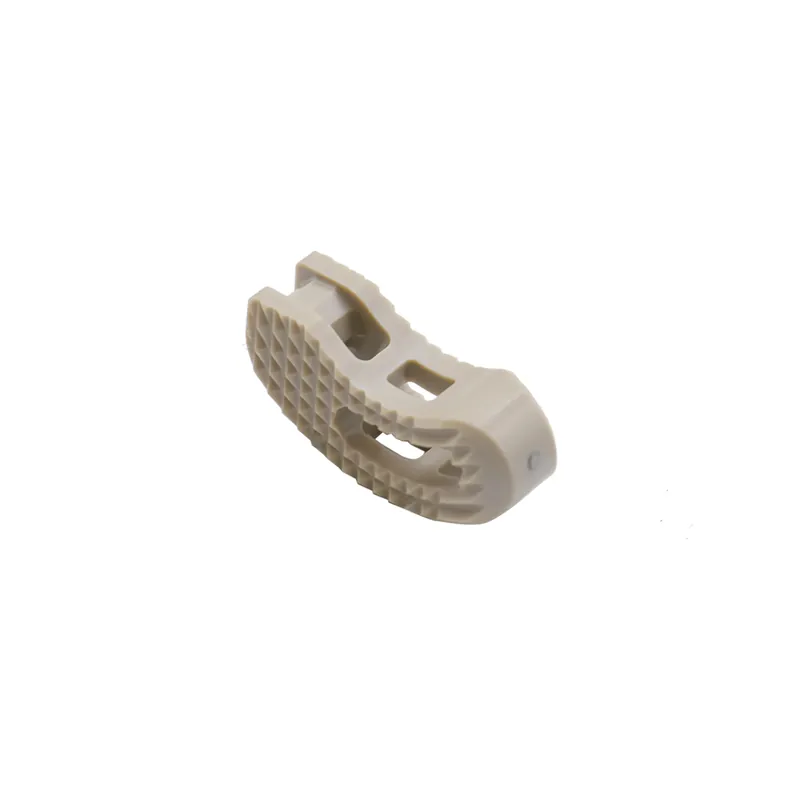
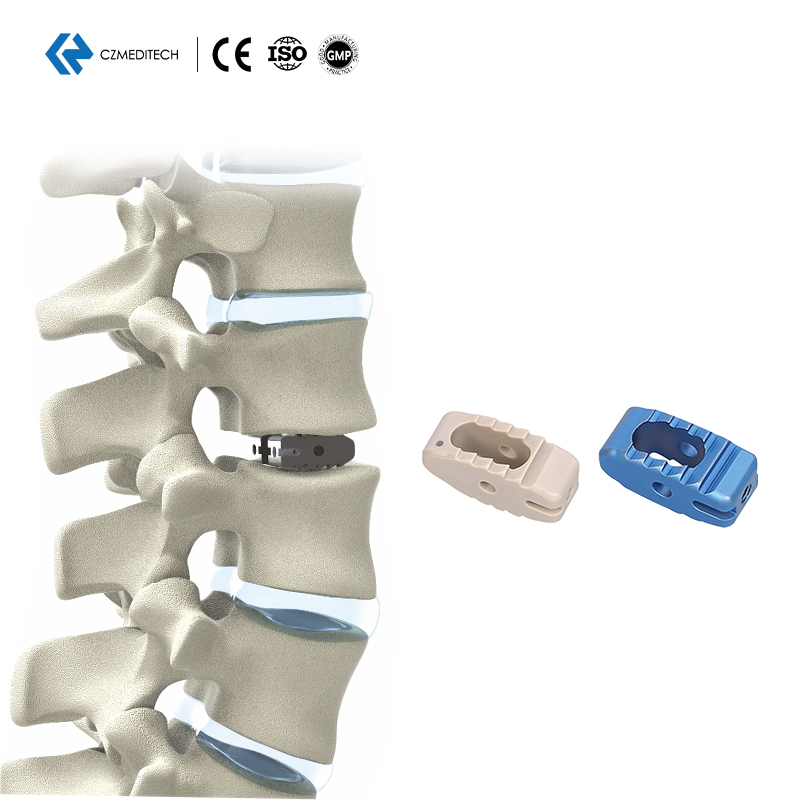
A Cervical Peek Cage is a medical device used in cervical spinal fusion surgery to treat a variety of conditions that affect the neck and cervical spine. The device is designed to promote fusion between two adjacent vertebrae, which helps to restore stability to the spine, alleviate pain, and reduce pressure on the nerves.
The Cervical Peek Cage is typically made of a biocompatible material called polyetheretherketone (PEEK), which is a strong and durable polymer that is widely used in medical devices. The PEEK material is radiolucent, which means that it does not interfere with X-ray or other imaging techniques, allowing doctors to monitor the healing process after surgery.
The Cervical Peek Cage is available in different sizes and shapes, and can be customized to match the specific anatomy of the patient's cervical spine. The device is inserted between two adjacent cervical vertebrae after the damaged or diseased disc has been removed. The Cervical Peek Cage helps to restore the normal height and curvature of the spine, and provides support and stability to the affected spinal segment.
Cervical Peek Cage is used to treat a variety of spinal conditions, including degenerative disc disease, herniated disc, spinal stenosis, and cervical spondylolisthesis. The device may be used alone or in combination with other spinal fusion techniques, such as bone grafts or metal screws and rods, depending on the specific needs of the patient.
It is important to note that Cervical Peek Cage is a medical device that should only be used under the guidance of a qualified healthcare provider. Patients should consult with their surgeon for detailed information on the specific surgical procedure, risks and benefits, and postoperative care plan.
What are the types of Cervical Peek Cage?
There are several types of Cervical Peek Cage available, which can vary in design, shape, size, and features. Here are some of the most common types of Cervical Peek Cage:
Standard Cervical Peek Cage: This is the most common type of Cervical Peek Cage, and is designed to fit between two adjacent cervical vertebrae to provide support and stability.
Expandable Cervical Peek Cage: This type of Cervical Peek Cage is designed to expand after insertion, allowing it to conform to the shape of the surrounding vertebrae and provide a more customized fit. This can help to improve fusion rates and reduce the risk of complications.
Stand-alone Cervical Peek Cage: This type of Cervical Peek Cage is used alone without the need for additional fixation devices such as screws or rods. It is designed to provide stability to the affected spinal segment while promoting fusion.
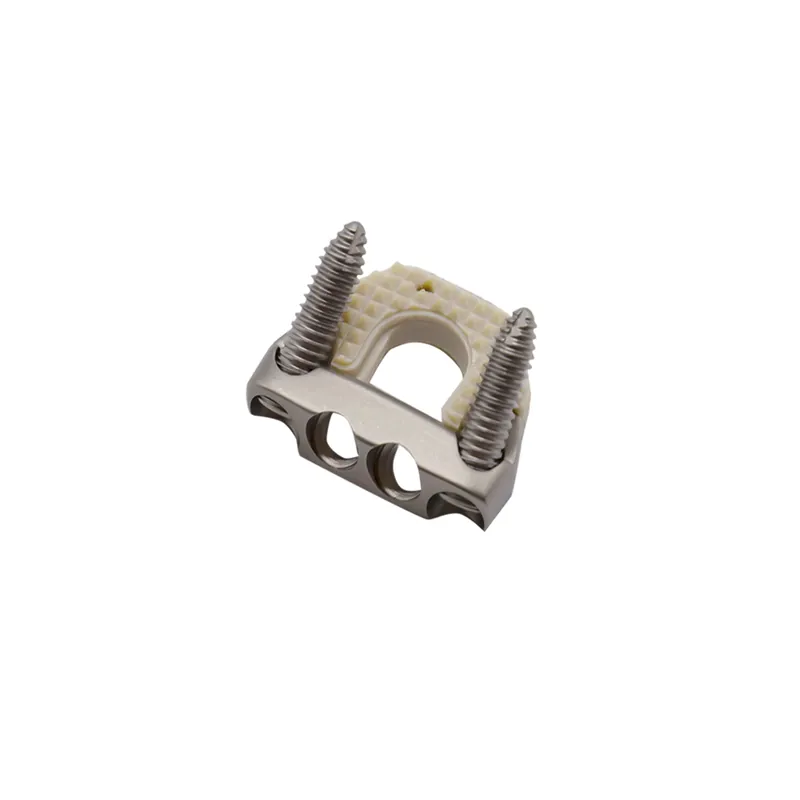
Cervical Peek Cage with integrated screws: This type of Cervical Peek Cage has screws integrated into the device itself, which can simplify the surgical procedure by reducing the need for additional hardware.
Zero-profile Cervical Peek Cage: This type of Cervical Peek Cage is designed to minimize the risk of postoperative complications by reducing the overall size of the implant. It is used alone without the need for additional fixation devices, and is typically placed through a smaller incision.
The specific type of Cervical Peek Cage used will depend on the patient's individual needs, the severity and location of the spinal condition, and the surgeon's preferred surgical approach. It is important for patients to discuss their options with their healthcare provider to determine the best treatment plan for their specific situation.
Key features
Why clinicians choose this device
Standard Cervical Peek Cage: This is the most common type of Cervical Peek Cage, and is designed to fit between two adjacent cervical vertebrae to provide support and stability.
Expandable Cervical Peek Cage: This type of Cervical Peek Cage is designed to expand after insertion, allowing it to conform to the shape of the surrounding vertebrae and provide a more customized fit. This can help to improve fusion rates and reduce the risk of complications.
Stand-alone Cervical Peek Cage: This type of Cervical Peek Cage is used alone without the need for additional fixation devices such as screws or rods. It is designed to provide stability to the affected spinal segment while promoting fusion.
Cervical Peek Cage with integrated screws: This type of Cervical Peek Cage has screws integrated into the device itself, which can simplify the surgical procedure by reducing the need for additional hardware.
Zero-profile Cervical Peek Cage: This type of Cervical Peek Cage is designed to minimize the risk of postoperative complications by reducing the overall size of the implant. It is used alone without the need for additional fixation devices, and is typically placed through a smaller incision.
Technical specifications
Engineering at a glance
Documentation, IFU and DOCs available on request — contact our sales team for the full regulatory file.
- Model
- 2100-38
Documents & downloads
Regulatory paperwork & manuals
Pre-cleared documentation for this device. Full tender-pack originals are available on request.
Documents & downloads
Regulatory paperwork & manuals
This device's IFU, CE Declaration of Conformity, ISO 13485 certificate and (where applicable) FDA 510(k) clearance ship with the order. Reach out below for the pack ahead of purchase.
Get in touch
Need configuration help, certificates, or volume pricing?
Our clinical sales team will scope quantities, voltage, accessories and regulatory paperwork — usually within one business day.
Customer reviews
No reviews yet — be the first to share your experience.
Related products
See all →
cervical cage with screw
cervical cage with screw — a orthopedic bone screw from OrthoLimited, supplied to ISO 13485 standards for hospitals and distributors worldwide.
Titanium Mesh Cage
Titanium Mesh Cage — a spinal fixation implant from OrthoLimited, supplied to ISO 13485 standards for hospitals and distributors worldwide.
TLIF Peek Cage
TLIF Peek Cage — a spinal fixation implant from OrthoLimited, supplied to ISO 13485 standards for hospitals and distributors worldwide.
T-PAL Peek Cage
T-PAL Peek Cage — a spinal fixation implant from OrthoLimited, supplied to ISO 13485 standards for hospitals and distributors worldwide.
Posterior Cervical Screw System
Posterior Cervical Screw System — a orthopedic bone screw from OrthoLimited, supplied to ISO 13485 standards for hospitals and distributors worldwide.
Posterior Cervical Laminoplasty System
Posterior Cervical Laminoplasty System — a spinal fixation implant from OrthoLimited, supplied to ISO 13485 standards for hospitals and distributors worldwide.
PLIF Peek Cage
PLIF Peek Cage — a spinal fixation implant from OrthoLimited, supplied to ISO 13485 standards for hospitals and distributors worldwide.