

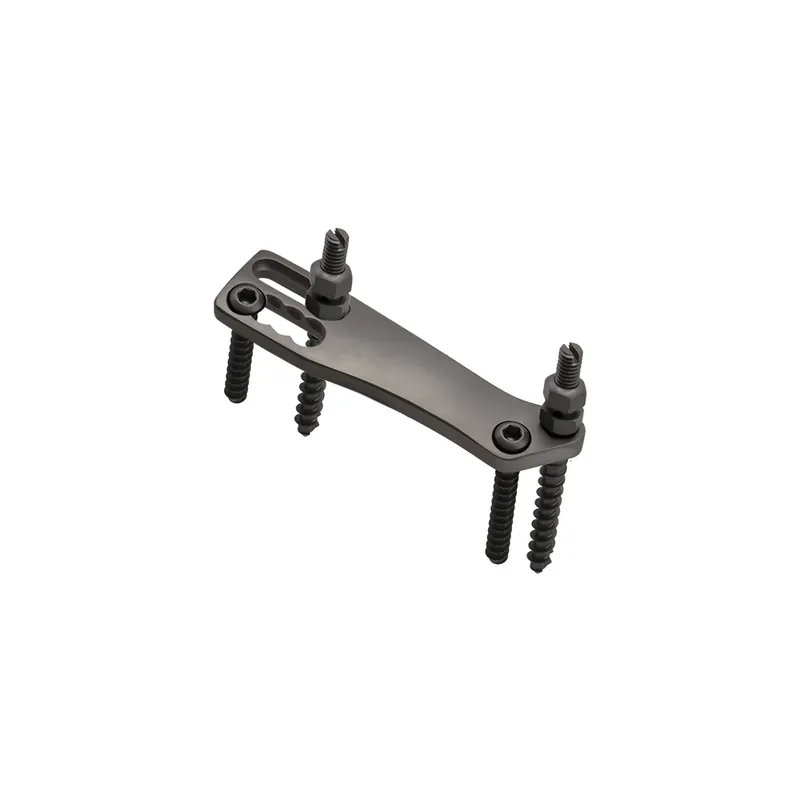
Anterior Thoracic Plate System
Anterior Thoracic Plate System — a spinal fixation implant from OrthoLimited, supplied to ISO 13485 standards for hospitals and distributors worldwide.
- SKU
- 2100-18
- MPN
- 2100-18
- Brand
- OrthoLimited
- Manufactured by
- OrthoLimited Inc.
- Warehouse
- EU
- Availability
- In stock
- ✓ CE marked
- ✓ ISO 13485
- ✓ Warranty included
- ✓ Worldwide shipping
Clinical overview
Product overview
The Anterior Thoracic Plate System represents a significant advancement in medical technology, providing a critical solution for patients requiring thoracic spinal stabilization. Its innovative design and application have revolutionized surgical outcomes and patient recovery. In this article, we delve into the details of the Anterior Thoracic Plate System, exploring its features, benefits, and the vital role it plays in modern medicine.
What is the Anterior Thoracic Plate System?Definition and Purpose
The Anterior Thoracic Plate System is a specialized medical device designed for the stabilization an
d support of the thoracic spine. This system is utilized in various surgical procedures to correct spinal deformities, stabilize fractures, and facilitate the fusion of spinal segments.
| Anterior Thoracic Plate | Anterior Thoracolumbar Plate |
Key Components
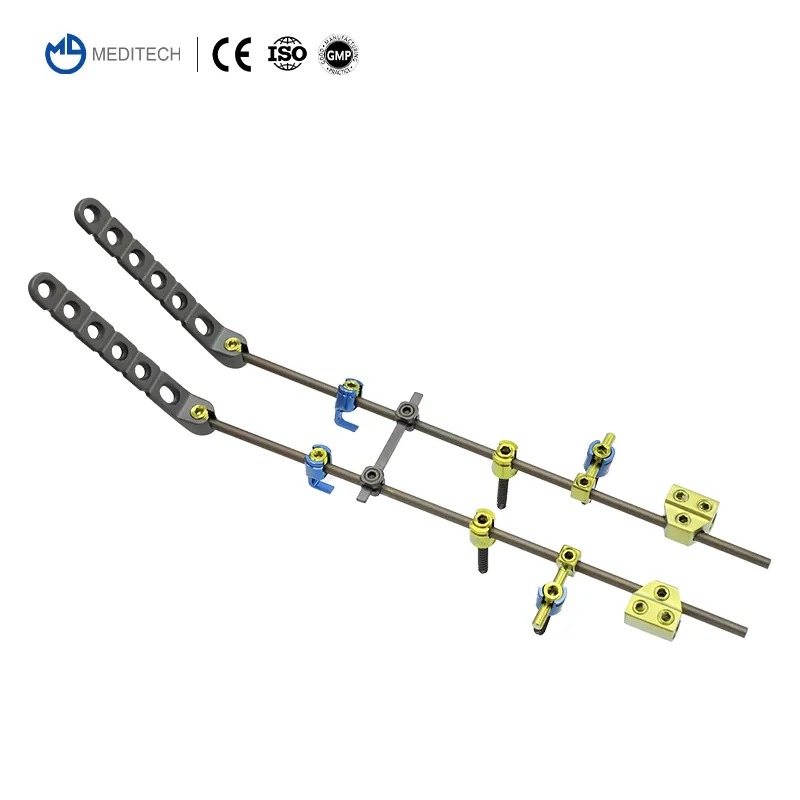
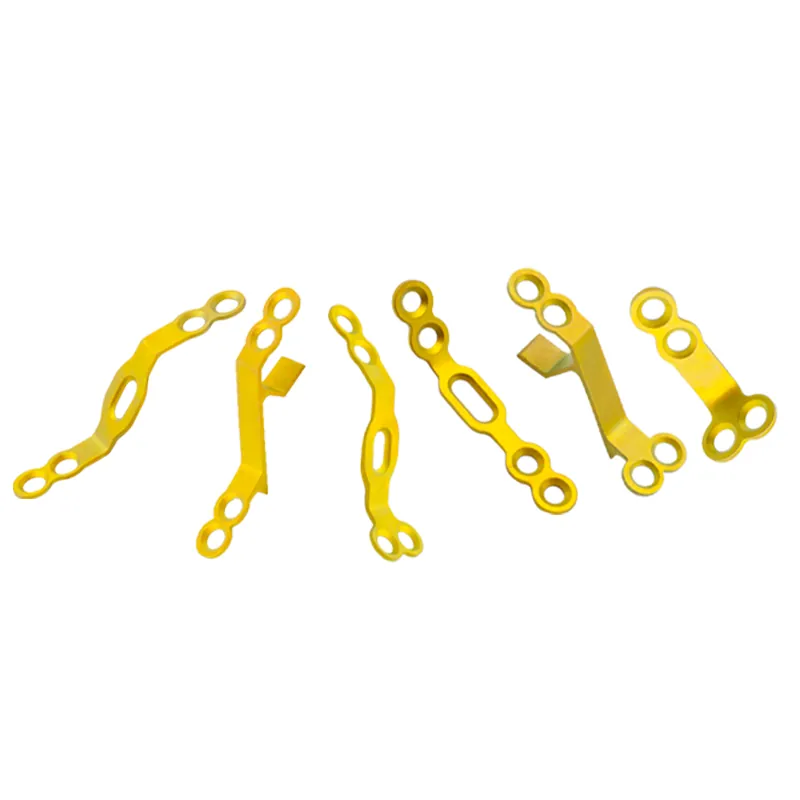
The system typically includes a series of plates and screws that are precisely engineered to fit the anatomical contours of the thoracic vertebrae. These components work together to provide rigid support and promote proper alignment and healing of the spine.
Design and MaterialInnovative Design Features
The Anterior Thoracic Plate System is characterized by its low-profile design, which minimizes tissue disruption and promotes quicker recovery. Its contoured plates are designed to match the natural curvature of the spine, ensuring a snug fit and optimal stabilization.
Materials Used
Manufactured from high-strength titanium alloys, the components of the Anterior Thoracic Plate System offer excellent biocompatibility and durability. Titanium is preferred due to its resistance to corrosion and its ability to integrate seamlessly with bone tissue.
Indications for UseConditions Treated with the System
The Anterior Thoracic Plate System is indicated for a variety of spinal conditions, including:
Thoracic spine fractures
Spinal deformities such as scoliosis and kyphosis
Degenerative disc disease
Tumors and metastatic disease affecting the thoracic spine
Patient Eligibility
Ideal candidates for this system are individuals who require spinal stabilization due to trauma, deformities, or degenerative conditions. Patients should be evaluated by a spine specialist to determine the suitability of the Anterior Thoracic Plate System for their specific condition.
Surgical Procedure OverviewPreoperative Preparation
Before surgery, patients undergo a thorough evaluation, including imaging studies such as X-rays, CT scans, or MRIs, to assess the extent of spinal damage and plan the surgical approach. Preoperative instructions may include cessation of certain medications and fasting.
Steps of the Procedure
Anesthesia: The patient is placed under general anesthesia.
Incision: A small incision is made in the chest to access the thoracic spine.
Exposure: Soft tissues are gently retracted to expose the spine.
Placement: The plates and screws are carefully positioned and secured to the vertebrae.
Closure: The incision is closed, and sterile dressings are applied.
Postoperative Care
Post-surgery, patients are monitored in a recovery unit. Pain management, physical therapy, and follow-up appointments are essential components of postoperative care. Most patients can return to light activities within a few weeks, with full recovery taking several months.
Advantages of the Anterior Thoracic Plate SystemEnhanced Stability
The rigid construction of the Anterior Thoracic Plate System ensures superior stabilization of the thoracic spine, reducing the risk of further injury and promoting effective healing.
Reduced Recovery Time
Thanks to its minimally invasive design, the system allows for smaller incisions and less tissue damage, which translates to faster recovery times and shorter hospital stays.
Improved Patient Outcomes
Patients who receive the Anterior Thoracic Plate System often experience significant improvements in pain levels, mobility, and overall quality of life compared to those undergoing traditional spinal stabilization procedures.
Comparison with Other SystemsTraditional Methods
Traditional thoracic spine stabilization methods often involve larger incisions and longer recovery periods. The Anterior Thoracic Plate System's innovative design addresses these limitations by providing a less invasive alternative.
Technological Advancements
The use of advanced materials and precision engineering sets the Anterior Thoracic Plate System apart from older technologies. This system leverages the latest advancements in spinal surgery to offer enhanced outcomes and patient satisfaction.
Clinical Studies and ResultsResearch Findings
Numerous clinical studies have demonstrated the efficacy and safety of the Anterior Thoracic Plate System. Research indicates high success rates in spinal fusion and significant reductions in postoperative complications.
Case Studies
Case studies highlight the system's effectiveness in real-world scenarios, showcasing instances of successful spinal stabilization and improved patient mobility following surgery.
Safety and EfficacySafety Protocols
Strict safety protocols are followed during the manufacturing and surgical application of the Anterior Thoracic Plate System. These protocols ensure that the risk of infection, implant failure, and other complications is minimized.
Efficacy Rates
The Anterior Thoracic Plate System boasts high efficacy rates, with the majority of patients experiencing successful spinal fusion and long-term stability. Regular follow-ups and adherence to postoperative care instructions further enhance these outcomes.
Customization and FlexibilityAdaptability to Patient Anatomy
The system is designed to be adaptable to the unique anatomical features of each patient. Surgeons can customize the placement and configuration of the plates and screws to achieve optimal results.
Range of Sizes and Configurations
A variety of sizes and configurations are available to accommodate different spinal conditions and patient needs. This flexibility ensures that each patient receives a tailored solution for their specific spinal issue.
Installation TechniquesStep-by-Step Guide
For surgeons, a detailed step-by-step guide is available, providing comprehensive instructions on the installation of the Anterior Thoracic Plate System. This guide ensures that each procedure is performed with precision and care.
Tips for Surgeons
Experienced surgeons offer valuable tips and best practices for the successful implementation of the system. These insights help in avoiding common pitfalls and achieving the best possible outcomes for patients.
Potential ComplicationsCommon Issues
While the Anterior Thoracic Plate System is generally safe, potential complications can include infection, implant migration, and nerve damage. Early detection and intervention are crucial in managing these issues.
Prevention Strategies
To mitigate the risk of complications, surgeons and medical staff follow stringent sterilization protocols, employ advanced surgical techniques, and provide thorough patient education on postoperative care.
Cost ConsiderationsPricing Overview
The cost of the Anterior Thoracic Plate System varies based on factors such as the complexity of the procedure, geographic location, and hospital fees. Patients should discuss pricing details with their healthcare provider.
Insurance Coverage
Many insurance plans cover the cost of the Anterior Thoracic Plate System, especially when deemed medically necessary. Patients are advised to check with their insurance provider to understand coverage details and out-of-pocket expenses.
Future DevelopmentsUpcoming Innovations
The field of spinal surgery is continuously evolving, with ongoing research and development aimed at enhancing the Anterior Thoracic Plate System. Future innovations may include advanced biomaterials and improved surgical techniques.
Ongoing Research
Researchers are actively investigating new ways to improve the efficacy and safety of spinal stabilization systems. This ongoing research promises to bring further advancements and better outcomes for patients.
ConclusionIn conclusion, the Anterior Thoracic Plate System represents a major advancement in spinal surgery, offering numerous benefits over traditional methods. Its innovative design, adaptability, and proven efficacy make it a valuable tool for surgeons and a beacon of hope for patients suffering from thoracic spine conditions. As technology continues to advance, the future holds even greater promise for this remarkable system.
FAQsWhat is the Anterior Thoracic Plate System?
The Anterior Thoracic Plate System is a medical device used to stabilize the thoracic spine, typically in cases of trauma, deformities, or degenerative conditions.
Who is a candidate for this system?
Candidates include individuals with thoracic spine fractures, deformities, or other conditions requiring spinal stabilization, as determined by a spine specialist.
How long is the recovery period?
Recovery time varies but generally involves a few weeks of limited activity and several months for full recovery, depending on the patient's condition and adherence to postoperative care.
Are there any risks involved?
While generally safe, potential risks include infection, implant migration, and nerve damage. These risks are mitigated through strict safety protocols and careful surgical techniques.
How does it compare to other thoracic plate systems?
The Anterior Thoracic Plate System offers advantages such as a minimally invasive design, enhanced stability, and quicker recovery times compared to traditional methods.
Technical specifications
Engineering at a glance
Documentation, IFU and DOCs available on request — contact our sales team for the full regulatory file.
- Model
- 2100-18
Standard instrument composition
What ships in the box
| Item | Quantity |
|---|---|
| Thoracic spine fractures | 1 |
| Spinal deformities such as scoliosis and kyphosis | 1 |
| Degenerative disc disease | 1 |
| Tumors and metastatic disease affecting the thoracic spine | 1 |
Documents & downloads
Regulatory paperwork & manuals
Pre-cleared documentation for this device. Full tender-pack originals are available on request.
Documents & downloads
Regulatory paperwork & manuals
This device's IFU, CE Declaration of Conformity, ISO 13485 certificate and (where applicable) FDA 510(k) clearance ship with the order. Reach out below for the pack ahead of purchase.
Get in touch
Need configuration help, certificates, or volume pricing?
Our clinical sales team will scope quantities, voltage, accessories and regulatory paperwork — usually within one business day.
Customer reviews
No reviews yet — be the first to share your experience.
Related products
See all →
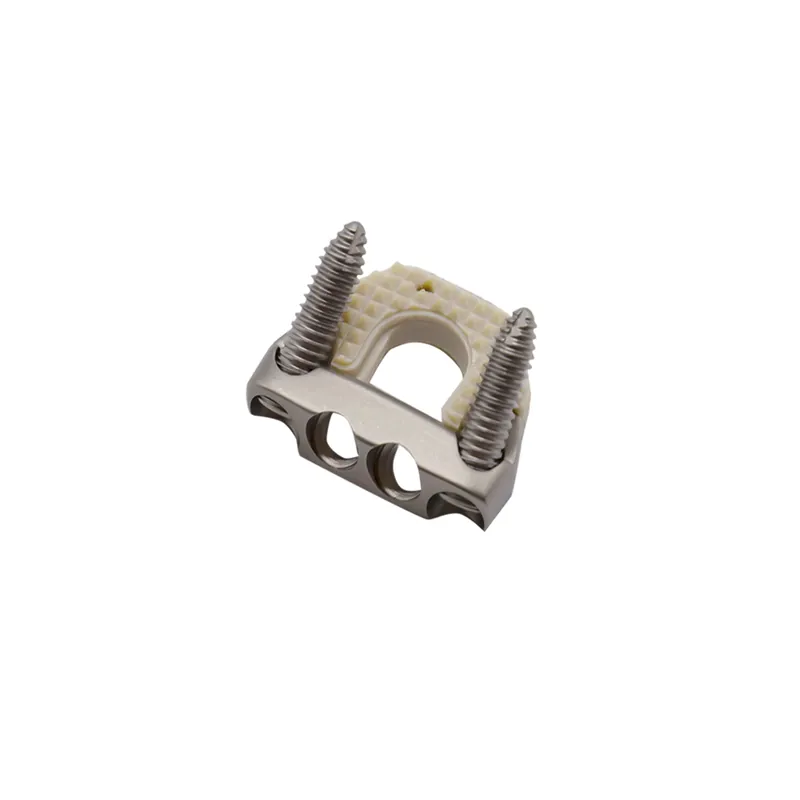
cervical cage with screw
cervical cage with screw — a orthopedic bone screw from OrthoLimited, supplied to ISO 13485 standards for hospitals and distributors worldwide.
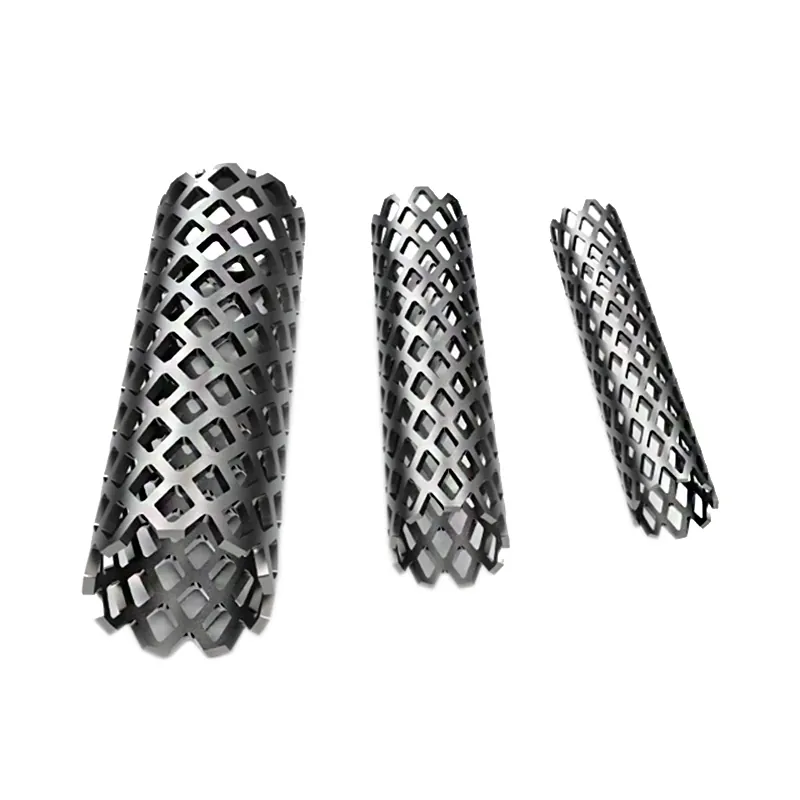
Titanium Mesh Cage
Titanium Mesh Cage — a spinal fixation implant from OrthoLimited, supplied to ISO 13485 standards for hospitals and distributors worldwide.
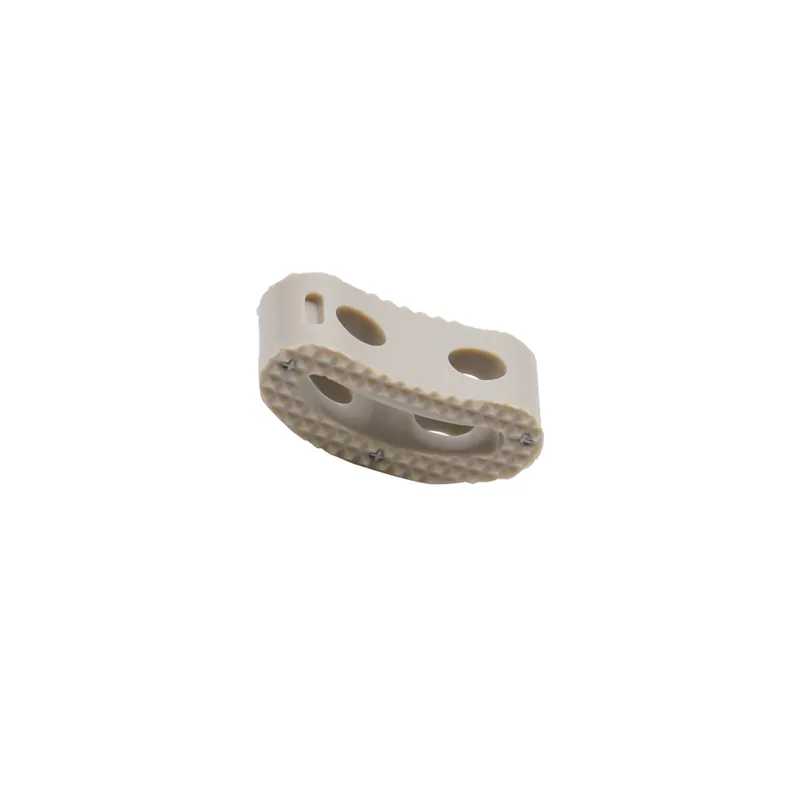
TLIF Peek Cage
TLIF Peek Cage — a spinal fixation implant from OrthoLimited, supplied to ISO 13485 standards for hospitals and distributors worldwide.
T-PAL Peek Cage
T-PAL Peek Cage — a spinal fixation implant from OrthoLimited, supplied to ISO 13485 standards for hospitals and distributors worldwide.
Posterior Cervical Screw System
Posterior Cervical Screw System — a orthopedic bone screw from OrthoLimited, supplied to ISO 13485 standards for hospitals and distributors worldwide.
Posterior Cervical Laminoplasty System
Posterior Cervical Laminoplasty System — a spinal fixation implant from OrthoLimited, supplied to ISO 13485 standards for hospitals and distributors worldwide.
PLIF Peek Cage
PLIF Peek Cage — a spinal fixation implant from OrthoLimited, supplied to ISO 13485 standards for hospitals and distributors worldwide.